


- Afhalen na 1 uur in een winkel met voorraad
- Gratis thuislevering in België vanaf € 30
- Ruim aanbod met 7 miljoen producten
- Afhalen na 1 uur in een winkel met voorraad
- Gratis thuislevering in België vanaf € 30
- Ruim aanbod met 7 miljoen producten





€ 39,42
+ 39 punten
Eenvoudig bestellen
Veilig betalen


Onmiddellijk geleverd via e-mail
Omschrijving
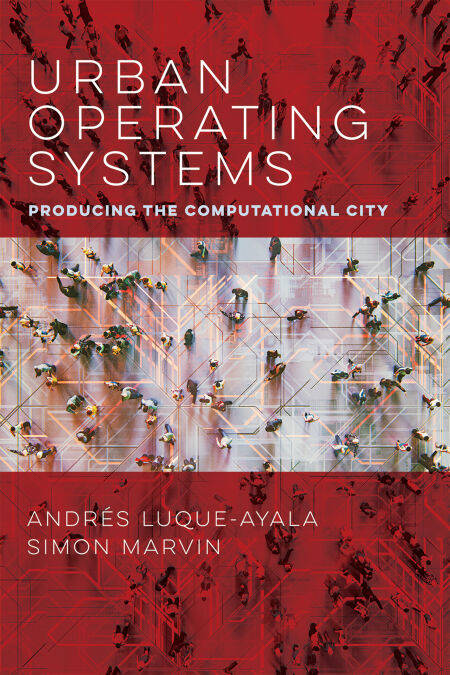
An exploration of the modest potentials and serious contradictions of reconfiguring urban life through computational operating systems.
A new wave of enthusiasm for smart cities, urban data, and the Internet of Things has created the impression that computation can solve almost any urban problem. Subjecting this claim to critical scrutiny, in this book, Andrés Luque-Ayala and Simon Marvin examine the cultural, historical, and contemporary contexts in which urban computational logics have emerged. They consider the rationalities and techniques that constitute emerging computational forms of urbanization, including work on digital urbanism, smart cities, and, more recently, platform urbanism. They explore the modest potentials and serious contradictions of reconfiguring urban life, city services, and urban-networked infrastructure through computational operating systems.
A new wave of enthusiasm for smart cities, urban data, and the Internet of Things has created the impression that computation can solve almost any urban problem. Subjecting this claim to critical scrutiny, in this book, Andrés Luque-Ayala and Simon Marvin examine the cultural, historical, and contemporary contexts in which urban computational logics have emerged. They consider the rationalities and techniques that constitute emerging computational forms of urbanization, including work on digital urbanism, smart cities, and, more recently, platform urbanism. They explore the modest potentials and serious contradictions of reconfiguring urban life, city services, and urban-networked infrastructure through computational operating systems.
Specificaties
Betrokkenen
- Auteur(s):
- Uitgeverij:
Inhoud
- Aantal bladzijden:
- 296
- Taal:
- Engels
- Reeks:
Eigenschappen
- Productcode (EAN):
- 9780262360999
- Verschijningsdatum:
- 14/12/2020
- Uitvoering:
- E-book
- Beveiligd met:
- Adobe DRM
- Formaat:
- ePub



Alleen bij Standaard Boekhandel
+ 39 punten op je klantenkaart van Standaard Boekhandel
CADEAU

AANGERADEN


Beoordelingen
We publiceren alleen reviews die voldoen aan de voorwaarden voor reviews. Bekijk onze voorwaarden voor reviews.