


- Afhalen na 1 uur in een winkel met voorraad
- Gratis thuislevering in België vanaf € 30
- Ruim aanbod met 7 miljoen producten
- Afhalen na 1 uur in een winkel met voorraad
- Gratis thuislevering in België vanaf € 30
- Ruim aanbod met 7 miljoen producten





€ 220,45
+ 440 punten
Uitvoering
Omschrijving
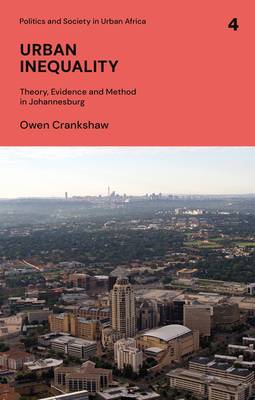
Based on new evidence that challenges existing theories of urban inequality, Crankshaw argues that the changing pattern of earnings and occupational inequality in Johannesburg is better described by the professionalism of employment alongside high-levels of chronic unemployment.
Central to this examination is that the social polarisation hypothesis, which is accepted by many, is simply wrong in the case of Johannesburg. Ultimately, Crankshaw posits that the post-Fordist, post-apartheid period is characterised by a completely new division of labour that has caused new forms of racial inequality. That racial inequality in the post-apartheid period is not the result of the persistence of apartheid-era causes, but is the result of new causes that have interacted with the historical effects of apartheid to produce new patterns of racial inequality.Specificaties
Betrokkenen
- Auteur(s):
- Uitgeverij:
Inhoud
- Aantal bladzijden:
- 232
- Taal:
- Engels
- Reeks:
Eigenschappen
- Productcode (EAN):
- 9781786998941
- Verschijningsdatum:
- 24/02/2022
- Uitvoering:
- Hardcover
- Formaat:
- Genaaid
- Afmetingen:
- 156 mm x 234 mm
- Gewicht:
- 503 g


Alleen bij Standaard Boekhandel
+ 440 punten op je klantenkaart van Standaard Boekhandel
Cadeau

AANGERADEN


Beoordelingen
We publiceren alleen reviews die voldoen aan de voorwaarden voor reviews. Bekijk onze voorwaarden voor reviews.