


- Afhalen na 1 uur in een winkel met voorraad
- Gratis thuislevering in België vanaf € 30
- Ruim aanbod met 7 miljoen producten
- Afhalen na 1 uur in een winkel met voorraad
- Gratis thuislevering in België vanaf € 30
- Ruim aanbod met 7 miljoen producten





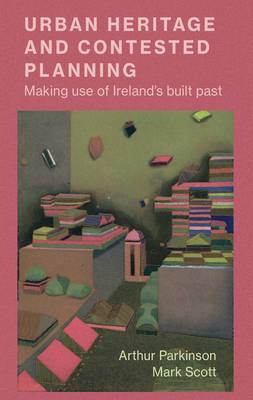
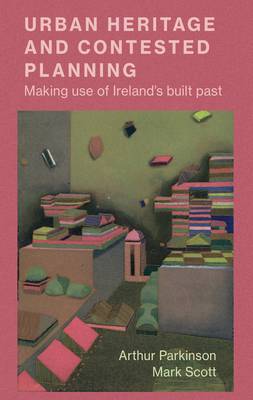
Urban Heritage and Contested Planning
Making Use of Ireland's Built Past
Arthur Parkinson, Mark Scott
€ 129,45
+ 258 punten
Omschrijving
Urban heritage and contested planning: Making use of Ireland's built past delves into the evolving role of heritage preservation within urban planning, focusing on Ireland's complex urban landscape since independence. Once marginal, heritage conservation is now seen as essential to urban identity, community well-being, and sustainable growth. Yet, this conservation practice grapples with unresolved questions: What heritage should be preserved, why and how, and who gets to decide? This book critically examines these challenges, exploring how Ireland's postcolonial legacy shapes debates around expert and public narratives, colonial-era architecture, and the use of heritage within property-led regeneration in neoliberal contexts. Advocating for more democratic, inclusive frameworks, this book explores the intricate intersections of tangible and intangible heritage in fostering vibrant, culturally resonant urban landscapes. Urban heritage and contested planning is an essential text for scholars, policymakers, and advocates invested in sustainable, community-driven approaches to urban conservation.
Specificaties
Betrokkenen
- Auteur(s):
- Uitgeverij:
Inhoud
- Aantal bladzijden:
- 248
- Taal:
- Engels
- Reeks:
Eigenschappen
- Productcode (EAN):
- 9781526120212
- Verschijningsdatum:
- 20/10/2026
- Uitvoering:
- Hardcover
- Formaat:
- Genaaid
- Afmetingen:
- 156 mm x 234 mm


Alleen bij Standaard Boekhandel
+ 258 punten op je klantenkaart van Standaard Boekhandel
Cadeau

AANGERADEN


Beoordelingen
We publiceren alleen reviews die voldoen aan de voorwaarden voor reviews. Bekijk onze voorwaarden voor reviews.