


- Afhalen na 1 uur in een winkel met voorraad
- Gratis thuislevering in België vanaf € 30
- Ruim aanbod met 7 miljoen producten
- Afhalen na 1 uur in een winkel met voorraad
- Gratis thuislevering in België vanaf € 30
- Ruim aanbod met 7 miljoen producten





€ 177,45
+ 354 punten
Omschrijving
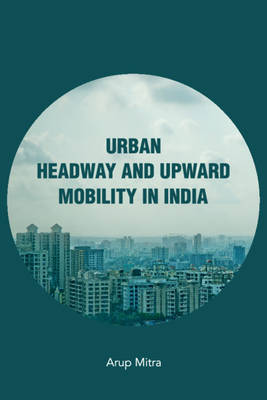
Urbanisation in the literature of development economics is expected to bring in a spectrum of social and economic transformations. With this framework in mind, this book focuses on various aspects of urbanisation in India and its impact on socio-economic variables. The study has been conducted at various levels of disaggregation such as state, district and city and the data is sourced from population census, NSSO's surveys on employment-unemployment schemes and results and consumption expenditure, and primary surveys on slum households conducted by the author. Urbanisation is studied as a process particular to developing countries, contextualising it within the study of India. While this brings about gradual changes contributing to overall growth, the pace is remarkably slow. It brings to the forefront the resilience of the social system that can be mitigated through significant interventions into some of the economic variables. Various policy implications of the evidence based research are discussed at the end of each chapter.
Specificaties
Betrokkenen
- Auteur(s):
- Uitgeverij:
Inhoud
- Aantal bladzijden:
- 200
- Taal:
- Engels
Eigenschappen
- Productcode (EAN):
- 9781108496360
- Verschijningsdatum:
- 29/10/2020
- Uitvoering:
- Hardcover
- Formaat:
- Genaaid
- Afmetingen:
- 164 mm x 236 mm
- Gewicht:
- 362 g


Alleen bij Standaard Boekhandel
+ 354 punten op je klantenkaart van Standaard Boekhandel
Cadeau

AANGERADEN


Beoordelingen
We publiceren alleen reviews die voldoen aan de voorwaarden voor reviews. Bekijk onze voorwaarden voor reviews.