


- Afhalen na 1 uur in een winkel met voorraad
- Gratis thuislevering in België vanaf € 30
- Ruim aanbod met 7 miljoen producten
- Afhalen na 1 uur in een winkel met voorraad
- Gratis thuislevering in België vanaf € 30
- Ruim aanbod met 7 miljoen producten





€ 305,45
+ 610 punten
Uitvoering
Omschrijving
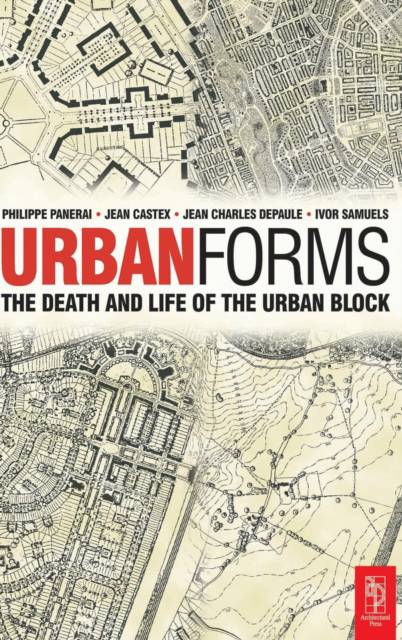
This popular and influential work, translated here into English for the first time, argues that modern urbanism has upset the morphology of cities, abolished their streets and isolated their buildings. In tracing the stages of this transformation, this book presents the view that the urban tissue, the intermediate scale between the architecture of buildings and the diagrammatic layouts of town planning, is the essential framework for everyday life. Only by investigating the urban tissue will it be possible to understand the complex relationships between plot and built form, between streets and buildings and between these forms and design practices.The chosen trail of the first French edition - Paris, London, Amsterdam, Frankfurt - is one of continuously evolving modernity. It outlines a history, which, in one century (1860-1960), completely changed the aspect of our towns and cities and transformed our way of life. The shock has been such that we are still looking for answers, still attempting to find urban forms that can accommodate present day ways of life and at the same time maintain the qualities of the traditional town.This English edition brings the story forward to the present day and considers the impact of the New Urbanism in the United States, which, over the last decade, has sought to re-establish former relationships within the urban tissue.
Specificaties
Betrokkenen
- Auteur(s):
- Uitgeverij:
Inhoud
- Aantal bladzijden:
- 240
- Taal:
- Engels
Eigenschappen
- Productcode (EAN):
- 9781138174078
- Verschijningsdatum:
- 21/01/2016
- Uitvoering:
- Hardcover
- Formaat:
- Genaaid
- Afmetingen:
- 156 mm x 234 mm
- Gewicht:
- 517 g



Alleen bij Standaard Boekhandel
+ 610 punten op je klantenkaart van Standaard Boekhandel
AANGERADEN


Beoordelingen
We publiceren alleen reviews die voldoen aan de voorwaarden voor reviews. Bekijk onze voorwaarden voor reviews.