


- Afhalen na 1 uur in een winkel met voorraad
- Gratis thuislevering in België vanaf € 30
- Ruim aanbod met 7 miljoen producten
- Afhalen na 1 uur in een winkel met voorraad
- Gratis thuislevering in België vanaf € 30
- Ruim aanbod met 7 miljoen producten





€ 86,45
+ 172 punten
Uitvoering
Omschrijving
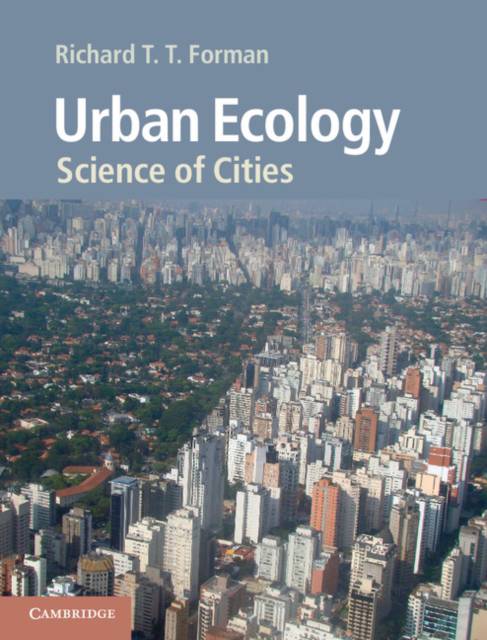
How does nature work in our human-created city, suburb, and exurb/peri-urb? Indeed how is ecology - including its urban water, soil, air, plant, and animal foundations - spatially entwined with this great human enterprise? And how can we improve urban areas for both nature and people? Urban Ecology: Science of Cities explores the entire urban area: from streets, lawns, and parks to riversides, sewer systems, and industrial sites. The book presents models, patterns, and examples from hundreds of cities worldwide. Numerous illustrations enrich the presentation. Cities are analyzed, not as ecologically bad or good, but as places with concentrated rather than dispersed people. Urban ecology principles, traditionally adapted from natural-area ecology, now increasingly emerge from the distinctive features of cities. Spatial patterns and flows, linking organisms, built structures, and the physical environment highlight a treasure chest of useful principles. This pioneering interdisciplinary book opens up frontiers of insight, as a valuable source and text for undergraduates, graduates, researchers, professionals, and others with a thirst for solutions to growing urban problems.
Specificaties
Betrokkenen
- Auteur(s):
- Uitgeverij:
Inhoud
- Aantal bladzijden:
- 476
- Taal:
- Engels
Eigenschappen
- Productcode (EAN):
- 9780521188241
- Verschijningsdatum:
- 13/02/2014
- Uitvoering:
- Paperback
- Formaat:
- Trade paperback (VS)
- Afmetingen:
- 188 mm x 244 mm
- Gewicht:
- 1020 g


Alleen bij Standaard Boekhandel
+ 172 punten op je klantenkaart van Standaard Boekhandel
Cadeau

AANGERADEN


Beoordelingen
We publiceren alleen reviews die voldoen aan de voorwaarden voor reviews. Bekijk onze voorwaarden voor reviews.