


- Afhalen na 1 uur in een winkel met voorraad
- Gratis thuislevering in België vanaf € 30
- Ruim aanbod met 7 miljoen producten
- Afhalen na 1 uur in een winkel met voorraad
- Gratis thuislevering in België vanaf € 30
- Ruim aanbod met 7 miljoen producten





€ 31,80
+ 63 punten
Omschrijving
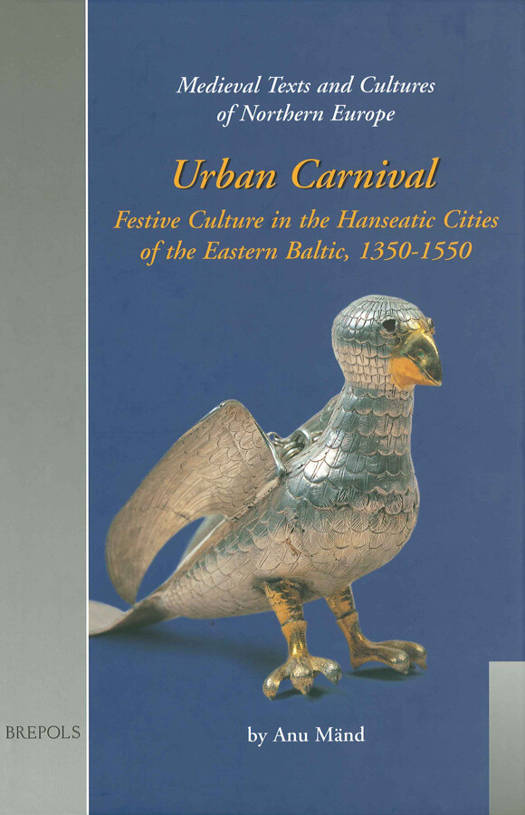
This is a significant new study of the festival culture of northern Europe in the later Middle Ages: more specifically of the German-speaking communities of the great cities of the eastern Baltic littoral in what was then called Livonia, corresponding roughly to the territories of present-day Estonia and Latvia. While subject to a degree of Scandinavian influence, the festival culture of Livonian cities such as Riga, Reval (Tallinn), and Dorpat (Tartu), which were members of the Hanseatic League, substantially overlapped with that of other German-speaking areas, not least the Hanseatic cities of northern Germany. The major part of the book is devoted to the main annual festivals of the merchants' guilds: Christmas, Carnival, the popinjay shoot, and the May Count celebrations. There follows an analysis of specific aspects of the festivals: spatial contexts, finances, food and drink, entertainments (dances, jousts, games), customs and rituals. There is also a concluding glance at changes in festival culture after the Reformation. The study combines close scrutiny of local customs (made possible by the almost miraculous survival of uniquely detailed documentation), contextualization within the wider comparative context of festival culture in late-medieval Europe, and an alterness to significant recent scholarship in both English and German.
Specificaties
Betrokkenen
- Auteur(s):
- Uitgeverij:
Inhoud
- Aantal bladzijden:
- 400
- Taal:
- Engels
- Reeks:
- Reeksnummer:
- nr. 8
Eigenschappen
- Productcode (EAN):
- 9782503515212
- Verschijningsdatum:
- 1/10/2004
- Uitvoering:
- Hardcover
- Formaat:
- Genaaid
- Afmetingen:
- 174 mm x 248 mm
- Gewicht:
- 843 g


Alleen bij Standaard Boekhandel
+ 63 punten op je klantenkaart van Standaard Boekhandel
Cadeau

AANGERADEN


Beoordelingen
We publiceren alleen reviews die voldoen aan de voorwaarden voor reviews. Bekijk onze voorwaarden voor reviews.