


- Afhalen na 1 uur in een winkel met voorraad
- Gratis thuislevering in België vanaf € 30
- Ruim aanbod met 7 miljoen producten
- Afhalen na 1 uur in een winkel met voorraad
- Gratis thuislevering in België vanaf € 30
- Ruim aanbod met 7 miljoen producten





€ 64,45
+ 128 punten
Eenvoudig bestellen
Veilig betalen


Gratis thuislevering vanaf € 30 (via bpost)
Gratis levering in je Standaard Boekhandel
Omschrijving
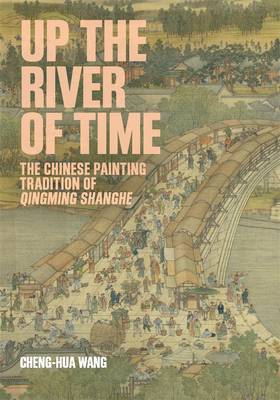
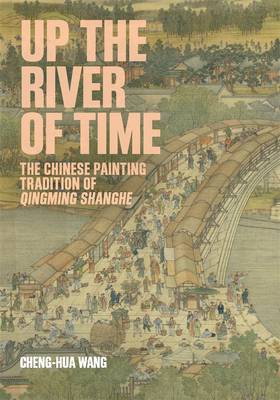
Qingming shanghe (Up the River during Qingming), dubbed China's Mona Lisa, is a painting whose primordial version is attributed to Zhang Zeduan, a painter who lived during the Northern Song dynasty (960-1127). It is so revered that to this day there exist more than one hundred handscroll paintings with this title, including the original and later versions produced during the late Ming through the High Qing. Up the River of Time is the first study in any language to treat the entire cultural constellation of Qingming shanghe as a painting tradition. Cheng-hua Wang investigates how the original Northern Song version--deemed a classic in art-historical research--and its later iterations shaped the norms of painting, triggered cultural associations, fostered the genre of cityscapes, and redefined the meanings of "reproduction" and "forgery." By studying the thematic links between the painting's various versions and tracing their development over several centuries, Wang leads us to revisit China's painting history. Such a focus that pivots toward broad considerations of thematic and cultural significance prompts a reassessment of what defines artistic value. Over time, Qingming shanghe catalyzed a new artistic culture in China.
Specificaties
Betrokkenen
- Auteur(s):
- Uitgeverij:
Inhoud
- Aantal bladzijden:
- 436
- Taal:
- Engels
- Reeks:
Eigenschappen
- Productcode (EAN):
- 9780674302617
- Verschijningsdatum:
- 2/06/2026
- Uitvoering:
- Hardcover
- Formaat:
- Genaaid
- Afmetingen:
- 221 mm x 286 mm
- Gewicht:
- 1410 g


Alleen bij Standaard Boekhandel
+ 128 punten op je klantenkaart van Standaard Boekhandel
CADEAU

AANGERADEN


Beoordelingen
We publiceren alleen reviews die voldoen aan de voorwaarden voor reviews. Bekijk onze voorwaarden voor reviews.