


- Afhalen na 1 uur in een winkel met voorraad
- Gratis thuislevering in België vanaf € 30
- Ruim aanbod met 7 miljoen producten
- Afhalen na 1 uur in een winkel met voorraad
- Gratis thuislevering in België vanaf € 30
- Ruim aanbod met 7 miljoen producten





€ 199,95
+ 399 punten
Uitvoering
Eenvoudig bestellen
Veilig betalen


Gratis thuislevering vanaf € 30 (via bpost)
Gratis levering in je Standaard Boekhandel
Omschrijving
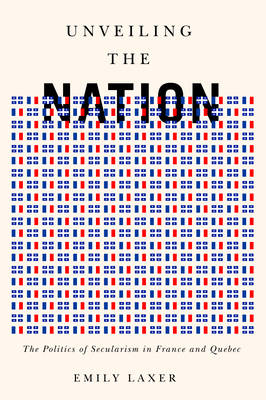
Over the last few decades, politicians in Europe and North America have fiercely debated the effects of a growing Muslim minority on their respective national identities. Some of these countries have prohibited Islamic religious coverings in public spaces and institutions, while in others, legal restriction remains subject to intense political conflict. Seeking to understand these different outcomes, social scientists have focused on the role of countries' historically rooted models of nationhood and their attendant discourses of secularism. Emily Laxer's Unveiling the Nation problematizes this approach. Using France and Quebec as illustrative cases, she traces how the struggle of political parties for power and legitimacy shapes states' responses to Islamic signs. Drawing on historical evidence and behind-the-scenes interviews with politicians and activists, Laxer uncovers unseen links between structures of partisan conflict and the strategies that political actors employ when articulating the secular boundaries of the nation. In France's historically class-based political system, she demonstrates, parties on the left and the right have converged around a restrictive secular agenda in order to limit the siphoning of votes by the ultra-right. In Quebec, by contrast, the longstanding electoral salience of the "national question" has encouraged political actors to project highly conflicting images of the province's secular past, present, and future. At a moment of heightened debate in the global politics of religious diversity, Laxer's Unveiling the Nation sheds critical light on the way party politics and its related instabilities shape the secular boundaries of nationhood in diverse societies.
Specificaties
Betrokkenen
- Auteur(s):
- Uitgeverij:
Inhoud
- Aantal bladzijden:
- 304
- Taal:
- Engels
- Reeks:
- Reeksnummer:
- nr. 3
Eigenschappen
- Productcode (EAN):
- 9780773556287
- Verschijningsdatum:
- 9/05/2019
- Uitvoering:
- Hardcover
- Formaat:
- Genaaid
- Afmetingen:
- 157 mm x 231 mm
- Gewicht:
- 544 g


Alleen bij Standaard Boekhandel
+ 399 punten op je klantenkaart van Standaard Boekhandel
CADEAU

AANGERADEN


Beoordelingen
We publiceren alleen reviews die voldoen aan de voorwaarden voor reviews. Bekijk onze voorwaarden voor reviews.