


- Afhalen na 1 uur in een winkel met voorraad
- Gratis thuislevering in België vanaf € 30
- Ruim aanbod met 7 miljoen producten
- Afhalen na 1 uur in een winkel met voorraad
- Gratis thuislevering in België vanaf € 30
- Ruim aanbod met 7 miljoen producten





€ 52,95
+ 105 punten
Uitvoering
Omschrijving
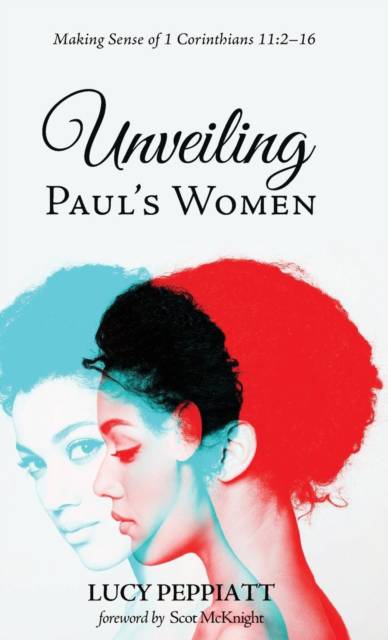
Whether people realize it or not, the ideas in 1 Corinthians 11:2-16 have had a huge impact on the role of Christian women in the church through the centuries. These fifteen verses have shaped worship practices, church structures, church leadership, marriages, and even relationships between men and women in general. They have contributed to practices that have consistently placed women in a subordinate role to men, and have been used to justify the idea that a woman should not occupy a leadership or teaching position without being under the authority or "covering" of a man. It is strange, therefore, that academics and pastors alike continue to note how confusing and difficult it continues to be to make sense of these very verses. In this little book, Lucy Peppiatt not only highlights the problems associated with using this text to justify the subordination of women, but offers a clear and plausible re-reading of the text that paints the apostle Paul as a radical, visionary, church planter who championed women in all forms of leadership.
Specificaties
Betrokkenen
- Auteur(s):
- Uitgeverij:
Inhoud
- Aantal bladzijden:
- 106
- Taal:
- Engels
Eigenschappen
- Productcode (EAN):
- 9781498289245
- Verschijningsdatum:
- 30/01/2018
- Uitvoering:
- Hardcover
- Formaat:
- Genaaid
- Afmetingen:
- 140 mm x 216 mm
- Gewicht:
- 285 g


Alleen bij Standaard Boekhandel
+ 105 punten op je klantenkaart van Standaard Boekhandel
AANGERADEN


Beoordelingen
We publiceren alleen reviews die voldoen aan de voorwaarden voor reviews. Bekijk onze voorwaarden voor reviews.