


- Afhalen na 1 uur in een winkel met voorraad
- Gratis thuislevering in België vanaf € 30
- Ruim aanbod met 7 miljoen producten
- Afhalen na 1 uur in een winkel met voorraad
- Gratis thuislevering in België vanaf € 30
- Ruim aanbod met 7 miljoen producten





€ 244,45
+ 488 punten
Uitvoering
Omschrijving
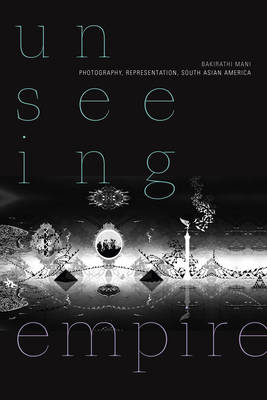
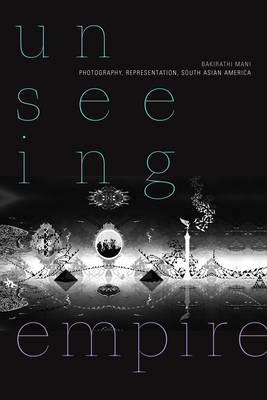
In Unseeing Empire Bakirathi Mani examines how empire continues to haunt South Asian American visual cultures. Weaving close readings of fine art together with archival research and ethnographic fieldwork at museums and galleries across South Asia and North America, Mani outlines the visual and affective relationships between South Asian diasporic artists, their photographic work, and their viewers. She notes that the desire for South Asian Americans to see visual representations of themselves is rooted in the use of photography as a form of colonial documentation and surveillance. She examines fine art photography by South Asian diasporic artists who employ aesthetic strategies such as duplication and alteration that run counter to viewers' demands for greater visibility. These works fail to deliver on viewers' desires to see themselves, producing instead feelings of alienation, estrangement, and loss. These feelings, Mani contends, allow viewers to question their own visibility as South Asian Americans in U.S. public culture and to reflect on their desires to be represented.
Specificaties
Betrokkenen
- Auteur(s):
- Uitgeverij:
Inhoud
- Aantal bladzijden:
- 288
- Taal:
- Engels
- Reeks:
Eigenschappen
- Productcode (EAN):
- 9781478009849
- Verschijningsdatum:
- 11/12/2020
- Uitvoering:
- Hardcover
- Formaat:
- Genaaid
- Afmetingen:
- 157 mm x 234 mm
- Gewicht:
- 725 g


Alleen bij Standaard Boekhandel
+ 488 punten op je klantenkaart van Standaard Boekhandel
Cadeau

AANGERADEN


Beoordelingen
We publiceren alleen reviews die voldoen aan de voorwaarden voor reviews. Bekijk onze voorwaarden voor reviews.