


- Afhalen na 1 uur in een winkel met voorraad
- Gratis thuislevering in België vanaf € 30
- Ruim aanbod met 7 miljoen producten
- Afhalen na 1 uur in een winkel met voorraad
- Gratis thuislevering in België vanaf € 30
- Ruim aanbod met 7 miljoen producten





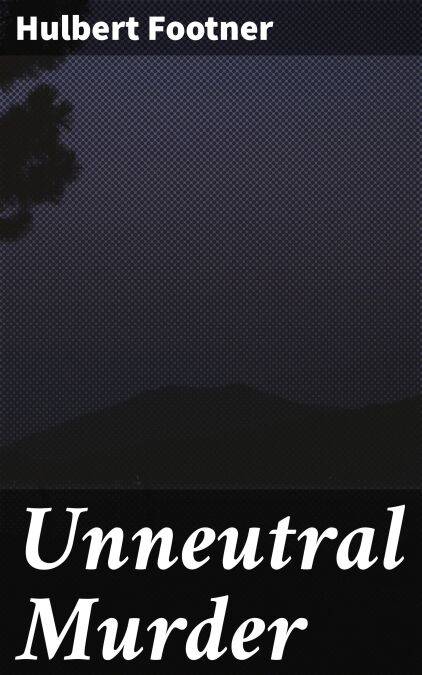
Unneutral Murder E-BOOK
A World War I Mystery Unraveled in Small-Town Canada
Hulbert Footner
E-book | Engels
€ 1,99
+ 1 punten
Omschrijving
In "Unneutral Murder," Hulbert Footner crafts a thrilling narrative that delves into the intricacies of crime and moral ambiguity. Set against the backdrop of World War I, the novel's prose is characterized by its sharp wit and vivid descriptions, immersing the reader in a world fraught with tension and ethical dilemmas. Footner intricately weaves suspense with an exploration of human psychology, making his characters' motivations both relatable and perplexing in the face of societal pressures and wartime chaos. Hulbert Footner was a prolific author whose deep engagement with justice and the law informs much of his work. His experience as a lawyer and keen observer of society is evident in the nuanced portrayal of crime and its implications within "Unneutral Murder." Footner's unique perspective is illuminated by his understanding of the moral conflicts faced by individuals during times of turmoil, thus enriching his narrative with layers of complexity that reflect the era'Äôs turmoil. This compelling novel is a must-read for those interested in classic detective fiction infused with psychological depth. Footner's masterful narrative invites readers to question not just the identities of criminals but also the very nature of justice itself, making it a thought-provoking addition to any literary collection.
Specificaties
Betrokkenen
- Auteur(s):
- Uitgeverij:
Inhoud
- Aantal bladzijden:
- 179
- Taal:
- Engels
Eigenschappen
- Productcode (EAN):
- 4064066367336
- Verschijningsdatum:
- 30/08/2021
- Uitvoering:
- E-book
- Beveiligd met:
- Digital watermarking
- Formaat:
- ePub


Alleen bij Standaard Boekhandel
+ 1 punten op je klantenkaart van Standaard Boekhandel
Cadeau

AANGERADEN


Beoordelingen
We publiceren alleen reviews die voldoen aan de voorwaarden voor reviews. Bekijk onze voorwaarden voor reviews.