


- Afhalen na 1 uur in een winkel met voorraad
- Gratis thuislevering in België vanaf € 30
- Ruim aanbod met 7 miljoen producten
- Afhalen na 1 uur in een winkel met voorraad
- Gratis thuislevering in België vanaf € 30
- Ruim aanbod met 7 miljoen producten





€ 199,95
+ 399 punten
Omschrijving
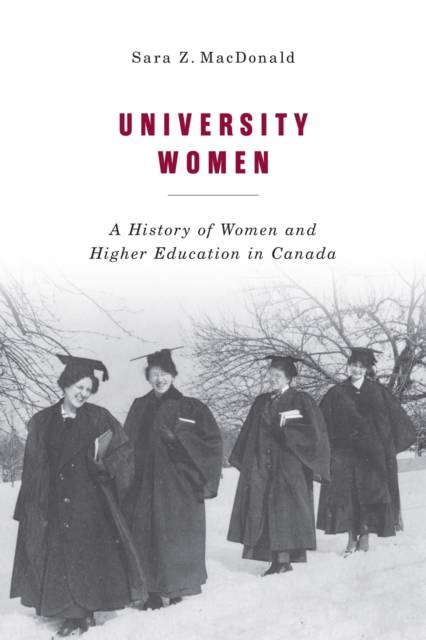
Bessie Scott, nearing the end of her first year at university in the spring of 1890, recorded in her diary: "Wore my gown for first time! It didn't seem at all strange to do so." Often deemed a cumbersome tradition by men, the cap and gown were dearly prized by women as an outward sign of their hard-won admission to the rank of undergraduates. For the first generations of university women, higher education was an exhilarating and transformative experience, but these opportunities would narrow in the decades that followed.
In University Women Sara MacDonald explores the processes of integration and separation that marked women's contested entrance into higher education. Examining the period between 1870 and 1930, this book is the first to provide a comparative study of women at universities across Canada. MacDonald concludes that women's higher education cannot be seen as a progressive narrative, a triumphant story of trailblazers and firsts, of doors being thrown open and staying open. The early promise of equal education was not fulfilled in the longer term, as a backlash against the growing presence of women on campuses resulted in separate academic programs, closer moral regulation, and barriers that restricted their admission into the burgeoning fields of science, technology, engineering, and mathematics. The modernization of higher education ultimately marginalized women students, researchers, and faculty within the diversified universities of the twentieth century. University Women uncovers the systemic inequalities based on gender, race, and class that have shaped Canadian higher education. It is indispensable reading for those concerned with the underrepresentation of girls and women in STEM and current initiatives to address issues of access and equity within our academic institutions.Specificaties
Betrokkenen
- Auteur(s):
- Uitgeverij:
Inhoud
- Aantal bladzijden:
- 424
- Taal:
- Engels
- Reeks:
- Reeksnummer:
- nr. 257
Eigenschappen
- Productcode (EAN):
- 9780228008637
- Verschijningsdatum:
- 15/11/2021
- Uitvoering:
- Hardcover
- Formaat:
- Genaaid
- Afmetingen:
- 152 mm x 229 mm
- Gewicht:
- 739 g



Alleen bij Standaard Boekhandel
+ 399 punten op je klantenkaart van Standaard Boekhandel
Cadeau

AANGERADEN


Beoordelingen
We publiceren alleen reviews die voldoen aan de voorwaarden voor reviews. Bekijk onze voorwaarden voor reviews.