


- Afhalen na 1 uur in een winkel met voorraad
- Gratis thuislevering in België vanaf € 30
- Ruim aanbod met 7 miljoen producten
- Afhalen na 1 uur in een winkel met voorraad
- Gratis thuislevering in België vanaf € 30
- Ruim aanbod met 7 miljoen producten





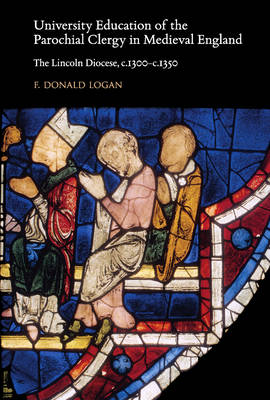
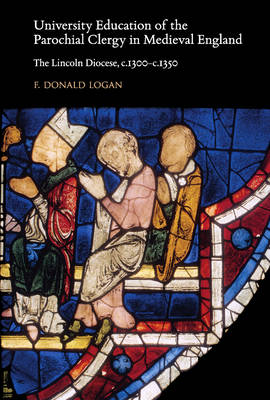
University Education of the Parochial Clergy in Medieval England
The Lincoln Diocese, C.1300-C.1350
F Donald Logan
€ 68,90
+ 137 punten
Omschrijving
The need for an educated parochial clergy had been seen from early times and during the Middle Ages was articulated by popes, councils and generations of canonists. Uneducated parish priests, it was frequently said, were like the blind leading the blind, both in peril of falling into the pit. Various efforts were made to remedy this problem, culminating in 1298 with the decretal of Pope Boniface VIII "Cum ex eo," which allowed non-priest rectors of parish churches to absent themselves for up to seven years to attend university. When their studies were completed, they had to become priests within one year. This study set out to examine how this decretal was implemented over the next fifty years in the diocese of Lincoln, the largest in England. The bishops' registers, however, revealed a much wider practice. In addition to dispensations granted by virtue of "Cum ex eo," a substantial number of licences to study were also granted to rectors who were already priests, particularly after 1320. In total, over twelve hundred rectors of Lincoln diocese received permissions to study during this half-century period. A comparison with two other dioceses shows that the granting of such permissions was not peculiar to Lincoln diocese and occurred elsewhere at similar rates. This is suggestive of a wider English phenomenon. The Appendix lists the names of those rectors of parishes in the Lincoln diocese who went to university and the details for each rector/student.
Specificaties
Betrokkenen
- Auteur(s):
- Uitgeverij:
Inhoud
- Aantal bladzijden:
- 212
- Taal:
- Engels
- Reeks:
- Reeksnummer:
- nr. 188
Eigenschappen
- Productcode (EAN):
- 9780888441881
- Verschijningsdatum:
- 1/05/2014
- Uitvoering:
- Hardcover
- Formaat:
- Genaaid
- Afmetingen:
- 162 mm x 239 mm
- Gewicht:
- 503 g


Alleen bij Standaard Boekhandel
+ 137 punten op je klantenkaart van Standaard Boekhandel
Cadeau

AANGERADEN


Beoordelingen
We publiceren alleen reviews die voldoen aan de voorwaarden voor reviews. Bekijk onze voorwaarden voor reviews.