


- Afhalen na 1 uur in een winkel met voorraad
- Gratis thuislevering in België vanaf € 30
- Ruim aanbod met 7 miljoen producten
- Afhalen na 1 uur in een winkel met voorraad
- Gratis thuislevering in België vanaf € 30
- Ruim aanbod met 7 miljoen producten





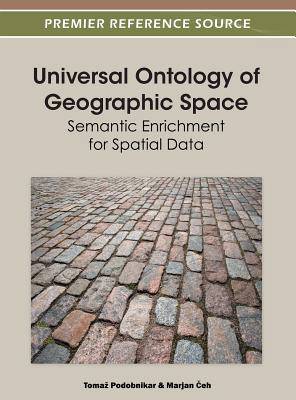
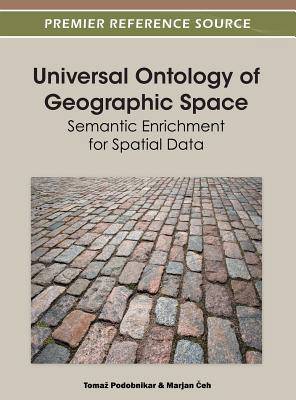
Universal Ontology of Geographic Space
Semantic Enrichment for Spatial Data
€ 229,45
+ 458 punten
Omschrijving
A universal approach to the ontology of geographic space has already been, and is going to be, a comprehensive task for establishing more effective spatial models. The concept of a universal spatial ontology should be independent of location, culture, and time. It should be fundamental and universal in the same way that the number p defines the ratio between the diameter and the circumference of a circle. The term "universal" therefore means all-embracing and for general propose. Universal Ontology of Geographic Space: Semantic Enrichment for Spatial Data aims to escalate the current scope of research to support the development of semantically interoperable systems of geographic space. This reference will aid university lecturers and professors, students, researchers, developers of spatial applications.
Specificaties
Betrokkenen
- Uitgeverij:
Inhoud
- Aantal bladzijden:
- 306
- Taal:
- Engels
- Reeks:
Eigenschappen
- Productcode (EAN):
- 9781466603271
- Verschijningsdatum:
- 31/03/2012
- Uitvoering:
- Hardcover
- Formaat:
- Genaaid
- Afmetingen:
- 218 mm x 282 mm
- Gewicht:
- 975 g

Alleen bij Standaard Boekhandel
+ 458 punten op je klantenkaart van Standaard Boekhandel

Beoordelingen
We publiceren alleen reviews die voldoen aan de voorwaarden voor reviews. Bekijk onze voorwaarden voor reviews.