


- Afhalen na 1 uur in een winkel met voorraad
- Gratis thuislevering in België vanaf € 30
- Ruim aanbod met 7 miljoen producten
- Afhalen na 1 uur in een winkel met voorraad
- Gratis thuislevering in België vanaf € 30
- Ruim aanbod met 7 miljoen producten





€ 159,95
+ 319 punten
Omschrijving
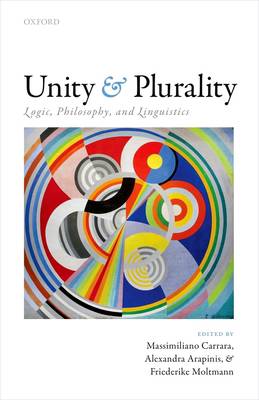
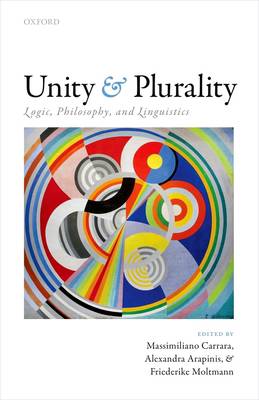
Unity and Plurality presents novel ways of thinking about plurality while casting new light on the interconnections among the logical, philosophical, and linguistic aspects of plurals. The volume brings together new work on the logic and ontology of plurality and on the semantics of plurals in natural language. Plural reference, the view that definite plurals such as 'the students' refer to several entities at once (the individual students), is an approach favoured by logicians and philosophers, who take sentences with plurals ('the students gathered') not to be committed to entities beyond individuals, entities such as classes, sums, or sets. By contrast, linguistic semantics has been dominated by a singularist approach to plurals, taking the semantic value of a definite plural such as 'the students' to be a mereological sum or set. Moreover, semantics has been dominated by a particular ontological view of plurality, that of extensional mereology. This volume aims to build a bridge between the two traditions and to show the fruitfulness of nonstandard mereological approaches. A team of leading experts investigates new perspectives that arise from plural logic and non-standard mereology and explore novel applications to natural language phenomena.
Specificaties
Betrokkenen
- Auteur(s):
- Uitgeverij:
Inhoud
- Aantal bladzijden:
- 276
- Taal:
- Engels
Eigenschappen
- Productcode (EAN):
- 9780198716327
- Verschijningsdatum:
- 17/05/2016
- Uitvoering:
- Hardcover
- Formaat:
- Genaaid
- Afmetingen:
- 152 mm x 236 mm
- Gewicht:
- 635 g


Alleen bij Standaard Boekhandel
+ 319 punten op je klantenkaart van Standaard Boekhandel
CADEAU

AANGERADEN


Beoordelingen
We publiceren alleen reviews die voldoen aan de voorwaarden voor reviews. Bekijk onze voorwaarden voor reviews.