


- Afhalen na 1 uur in een winkel met voorraad
- Gratis thuislevering in België vanaf € 30
- Ruim aanbod met 7 miljoen producten
- Afhalen na 1 uur in een winkel met voorraad
- Gratis thuislevering in België vanaf € 30
- Ruim aanbod met 7 miljoen producten





€ 63,45
+ 126 punten
Omschrijving
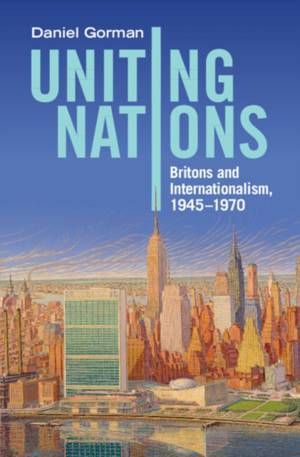
Uniting Nations is a comparative study of Britons who worked in the United Nations and international non-governmental and civil society organizations from 1945 to 1970 and their role in forging the postwar international system. Daniel Gorman interweaves the personal histories of scores of individuals who worked in UN organizations, the world government movement, Quaker international volunteer societies, and colonial freedom societies to demonstrate how international public policy often emerged 'from the ground up.' He reveals the importance of interwar, Second World War, colonial, and voluntary experiences in inspiring international careers, how international and national identities intermingled in the minds of international civil servants and civil society activists, and the ways in which international policy is personal. It is in the personal relationships forged by international civil servants and activists, positive and negative, biased and altruistic, short-sighted or visionary, that the "international" is to be found in the postwar international order.
Specificaties
Betrokkenen
- Auteur(s):
- Uitgeverij:
Inhoud
- Aantal bladzijden:
- 296
- Taal:
- Engels
Eigenschappen
- Productcode (EAN):
- 9781316512975
- Verschijningsdatum:
- 28/07/2022
- Uitvoering:
- Hardcover
- Formaat:
- Genaaid
- Afmetingen:
- 150 mm x 230 mm
- Gewicht:
- 589 g


Alleen bij Standaard Boekhandel
+ 126 punten op je klantenkaart van Standaard Boekhandel
Cadeau

AANGERADEN


Beoordelingen
We publiceren alleen reviews die voldoen aan de voorwaarden voor reviews. Bekijk onze voorwaarden voor reviews.