


- Afhalen na 1 uur in een winkel met voorraad
- Gratis thuislevering in België vanaf € 30
- Ruim aanbod met 7 miljoen producten
- Afhalen na 1 uur in een winkel met voorraad
- Gratis thuislevering in België vanaf € 30
- Ruim aanbod met 7 miljoen producten





€ 16,99
+ 16 punten
Uitvoering
Eenvoudig bestellen
Veilig betalen


Onmiddellijk geleverd via e-mail
Omschrijving
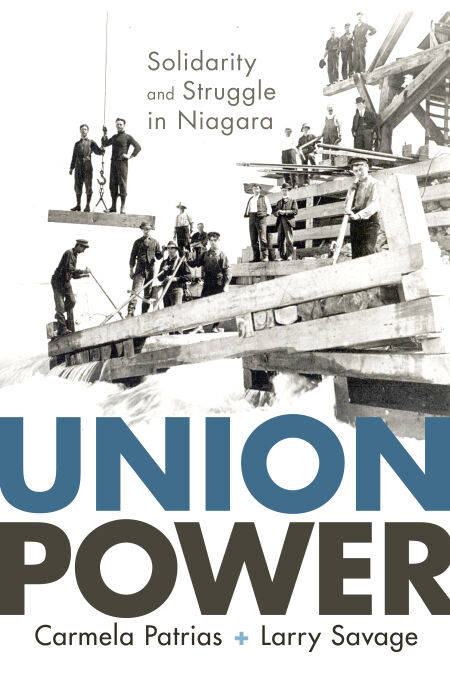
From factory workers in Welland to retail workers in St. Catharines, from hospitality workers in Niagara Falls to migrant farm workers in Niagara-On-The-Lake, Union Power showcases the role of working people in the Niagara region. Charting the development of the region’s labour movement from the early nineteenth century to the present, Patrias and Savage illustrate how workers from this highly diversified economy struggled to improve their lives both inside and outside the workplace. Including extensive quotations from interviews, archival sources, and local newspapers, the story unfolds, in part, through the voices of the people themselves: the workers who fought for unions, the community members who supported them, and the employers who opposed them.
Early industrial development and the appalling working conditions of the often vulnerable common labourer prompted a movement toward worker protection. Patrias and Savage argue that union power – power not built on profit, status, or prestige – relies on the twin concepts of struggle and solidarity: the solidarity of the shared interests of the working class and the struggle to achieve common goals. Union Power traces the evidence of these twin concepts through the history of the Niagara region’s labour movement.
Early industrial development and the appalling working conditions of the often vulnerable common labourer prompted a movement toward worker protection. Patrias and Savage argue that union power – power not built on profit, status, or prestige – relies on the twin concepts of struggle and solidarity: the solidarity of the shared interests of the working class and the struggle to achieve common goals. Union Power traces the evidence of these twin concepts through the history of the Niagara region’s labour movement.
Specificaties
Betrokkenen
- Auteur(s):
- Uitgeverij:
Inhoud
- Aantal bladzijden:
- 222
- Taal:
- Engels
- Reeks:
Eigenschappen
- Productcode (EAN):
- 9781926836805
- Verschijningsdatum:
- 1/05/2012
- Uitvoering:
- E-book
- Beveiligd met:
- Digital watermarking
- Formaat:
- ePub


Alleen bij Standaard Boekhandel
+ 16 punten op je klantenkaart van Standaard Boekhandel
CADEAU

AANGERADEN


Beoordelingen
We publiceren alleen reviews die voldoen aan de voorwaarden voor reviews. Bekijk onze voorwaarden voor reviews.