


- Afhalen na 1 uur in een winkel met voorraad
- Gratis thuislevering in België vanaf € 30
- Ruim aanbod met 7 miljoen producten
- Afhalen na 1 uur in een winkel met voorraad
- Gratis thuislevering in België vanaf € 30
- Ruim aanbod met 7 miljoen producten





€ 64,45
+ 128 punten
Omschrijving
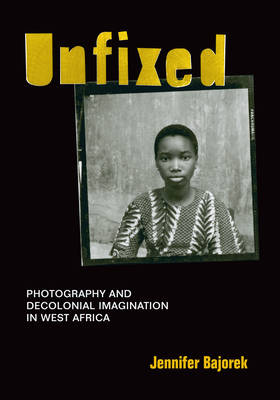
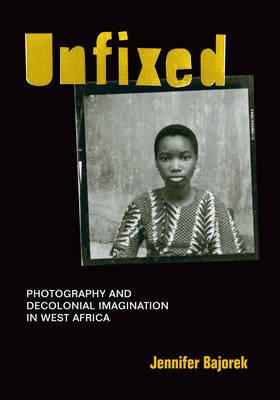
In Unfixed Jennifer Bajorek traces the relationship between photography and decolonial political imagination in Francophone west Africa in the years immediately leading up to and following independence from French colonial rule in 1960. Focusing on images created by photographers based in Senegal and Benin, Bajorek draws on formal analyses of images and ethnographic fieldwork with photographers to show how photography not only reflected but also actively contributed to social and political change. The proliferation of photographic imagery--through studio portraiture, bureaucratic ID cards, political reportage and photojournalism, magazines, and more--provided the means for west Africans to express their experiences, shape public and political discourse, and reimagine their world. In delineating how west Africans' embrace of photography was associated with and helped spur the democratization of political participation and the development of labor and liberation movements, Bajorek tells a new history of photography in west Africa--one that theorizes photography's capacity for doing decolonial work.
Specificaties
Betrokkenen
- Auteur(s):
- Uitgeverij:
Inhoud
- Aantal bladzijden:
- 352
- Taal:
- Engels
Eigenschappen
- Productcode (EAN):
- 9781478003922
- Verschijningsdatum:
- 7/02/2020
- Uitvoering:
- Paperback
- Formaat:
- Trade paperback (VS)
- Afmetingen:
- 178 mm x 254 mm
- Gewicht:
- 839 g


Alleen bij Standaard Boekhandel
+ 128 punten op je klantenkaart van Standaard Boekhandel
Cadeau

AANGERADEN


Beoordelingen
We publiceren alleen reviews die voldoen aan de voorwaarden voor reviews. Bekijk onze voorwaarden voor reviews.