



- Afhalen na 1 uur in een winkel met voorraad
- In januari gratis thuislevering in België
- Ruim aanbod met 7 miljoen producten
- Afhalen na 1 uur in een winkel met voorraad
- In januari gratis thuislevering in België
- Ruim aanbod met 7 miljoen producten





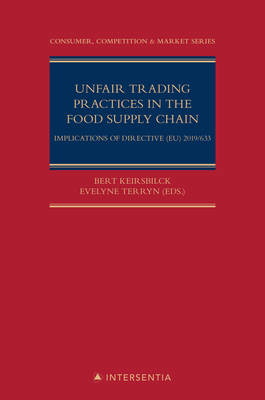
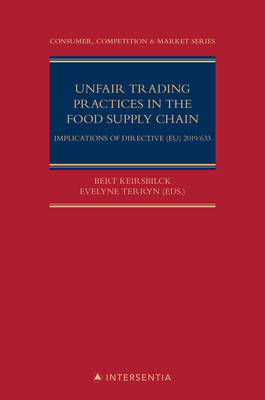
Unfair Trading Practices in the Food Supply Chain
Implications of Directive (Eu) 2019/633 Volume 3
Bert Keirsbilck, Evelyne Terryn
€ 82,00
+ 164 punten
Omschrijving
There is a wide-spread consensus that UTPs occur throughout the food supply chain. Unfair trading practices (UTPs) can be defined as practices which grossly deviate from good commercial conduct, are contrary to good faith and fair dealing and are unilaterally imposed by one trading partner on its counterparty. Some Member States, such as France, Belgium and the UK, have already adopted legislation specifically prohibiting such practices (in the food and/or non-food supply chain). In addition, various self-regulatory initiatives exist. In April 2019, the European Parliament and the Council adopted Directive (EU) 2019/633 on unfair trading practices in business-to-business relationships in the agricultural and food supply chain. A Commission Proposal of April 2018 (COM(2018) 173 final) was substantially amended. To improve farmers' and small and medium sized businesses' position in the food supply chain, the Directive bans certain unfair trading practices including late payments for perishable food products; last minute order cancellations; unilateral changes to contracts; refusal to enter into a written contract; returning unsold or wasted products; payment for buyer's marketing. Each Member State has to designate a competent authority to enforce these rules and these authorities must have the power to both launch investigations and fine operators who break the rules. The Member States now have two years to implement the Directive.
Specificaties
Betrokkenen
- Auteur(s):
- Uitgeverij:
Inhoud
- Aantal bladzijden:
- 182
- Taal:
- Engels
- Reeks:
Eigenschappen
- Productcode (EAN):
- 9781780689807
- Verschijningsdatum:
- 24/07/2020
- Uitvoering:
- Hardcover
- Formaat:
- Genaaid
- Afmetingen:
- 170 mm x 244 mm
- Gewicht:
- 480 g


Alleen bij Standaard Boekhandel
+ 164 punten op je klantenkaart van Standaard Boekhandel
Cadeau

AANGERADEN


Beoordelingen
We publiceren alleen reviews die voldoen aan de voorwaarden voor reviews. Bekijk onze voorwaarden voor reviews.