


- Afhalen na 1 uur in een winkel met voorraad
- Gratis thuislevering in België vanaf € 30
- Ruim aanbod met 7 miljoen producten
- Afhalen na 1 uur in een winkel met voorraad
- Gratis thuislevering in België vanaf € 30
- Ruim aanbod met 7 miljoen producten





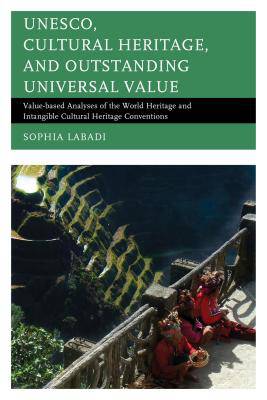
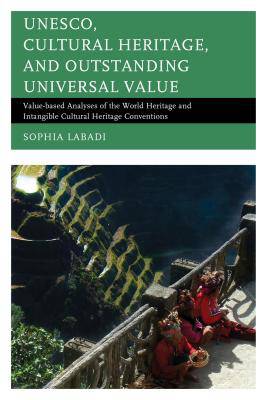
Unesco, Cultural Heritage, and Outstanding Universal Value
Value-Based Analyses of the World Heritage and Intangible Cultural Heritage Conventions
Sophia Labadi
€ 98,45
+ 196 punten
Uitvoering
Omschrijving
This book explores the international legal framework developed by UNESCO to identify and protect world heritage and its implementation at the national level. Drawing on close policy analysis of UNESCO's major documents, extensive professional experience at UNESCO, as well as in-depth analyses of case studies from Asia, Europe, and Latin America, Sophia Labadi offers a nuanced discussion of the constitutive role of national understandings of a universalist framework. The discussion departs from considerations of the World Heritage Convention as Eurocentric and offers a more complex analysis of how official narratives relating to non-European and non-traditional heritage mark a subversion of a dominant and canonical European representation of heritage. It engages simultaneously with a diversity of discourses across the humanities and social sciences and with related theories pertaining not only to tangible and intangible heritage, conservation, and archaeology but also political science, social theory, tourism and development studies, economics, cultural, and gender studies. In doing so, it provides a critical review of many key concepts, including tourism, development, sustainability, intangible heritage, and authenticity.
Specificaties
Betrokkenen
- Auteur(s):
- Uitgeverij:
Inhoud
- Aantal bladzijden:
- 204
- Taal:
- Engels
- Reeks:
Eigenschappen
- Productcode (EAN):
- 9781442252820
- Verschijningsdatum:
- 24/06/2015
- Uitvoering:
- Paperback
- Formaat:
- Trade paperback (VS)
- Afmetingen:
- 150 mm x 226 mm
- Gewicht:
- 340 g


Alleen bij Standaard Boekhandel
+ 196 punten op je klantenkaart van Standaard Boekhandel
CADEAU

AANGERADEN


Beoordelingen
We publiceren alleen reviews die voldoen aan de voorwaarden voor reviews. Bekijk onze voorwaarden voor reviews.