


- Afhalen na 1 uur in een winkel met voorraad
- Gratis thuislevering in België vanaf € 30
- Ruim aanbod met 7 miljoen producten
- Afhalen na 1 uur in een winkel met voorraad
- Gratis thuislevering in België vanaf € 30
- Ruim aanbod met 7 miljoen producten





€ 30,95
+ 61 punten
Omschrijving
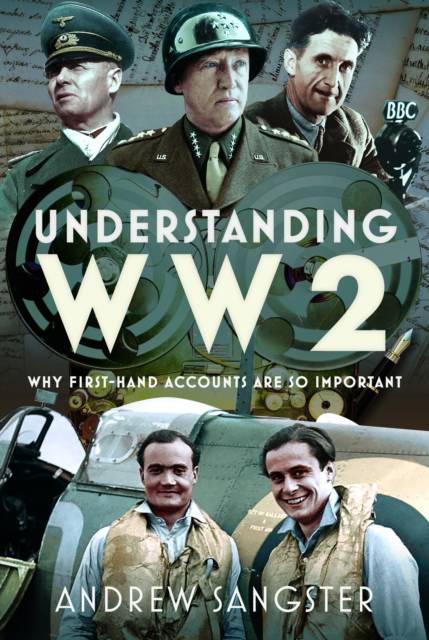
As oral history gains long-overdue recognition, its power to illuminate the past has never been more vital. From buried time capsules to the preserved voices, letters, diaries, photographs and films of those who lived through history's most pivotal moments, this book explores how personal testimony shapes our understanding of truth.
Split into six main chapters and focussing on the Second World War years, Andrew Sangster starts by analysing personal letters from key players on both sides - Himmler, Rommel and Patton - before exploring the diaries of Lord Alan Brooke, Goebbels and Galeazzo Ciano, to name but a few. The final chapters explore the significance of the recorded notes from the Nuremberg Trials, before explaining the merits of autobiographies written after the fact.
With honesty and clarity, the author reveals the challenges historians face - how memories can shift, how documents can be altered and how autobiographies, even in their sincerity, must be handled with care. Still, within these fragile records lie invaluable insights: motives, emotions and the human reactions that traditional archives often overlook.
Balanced and engaging, Understanding WW2 is an essential guide to the promise and pitfalls of oral history - and a compelling reminder that the voices of ordinary men and women are as crucial to our collective memory as those of the famous and powerful.
Split into six main chapters and focussing on the Second World War years, Andrew Sangster starts by analysing personal letters from key players on both sides - Himmler, Rommel and Patton - before exploring the diaries of Lord Alan Brooke, Goebbels and Galeazzo Ciano, to name but a few. The final chapters explore the significance of the recorded notes from the Nuremberg Trials, before explaining the merits of autobiographies written after the fact.
With honesty and clarity, the author reveals the challenges historians face - how memories can shift, how documents can be altered and how autobiographies, even in their sincerity, must be handled with care. Still, within these fragile records lie invaluable insights: motives, emotions and the human reactions that traditional archives often overlook.
Balanced and engaging, Understanding WW2 is an essential guide to the promise and pitfalls of oral history - and a compelling reminder that the voices of ordinary men and women are as crucial to our collective memory as those of the famous and powerful.
Specificaties
Betrokkenen
- Auteur(s):
- Uitgeverij:
Inhoud
- Aantal bladzijden:
- 208
- Taal:
- Engels
Eigenschappen
- Productcode (EAN):
- 9781036194130
- Verschijningsdatum:
- 30/07/2026
- Uitvoering:
- Hardcover
- Formaat:
- Genaaid
- Afmetingen:
- 159 mm x 235 mm


Alleen bij Standaard Boekhandel
+ 61 punten op je klantenkaart van Standaard Boekhandel
Cadeau

AANGERADEN


Beoordelingen
We publiceren alleen reviews die voldoen aan de voorwaarden voor reviews. Bekijk onze voorwaarden voor reviews.