


- Afhalen na 1 uur in een winkel met voorraad
- Gratis thuislevering in België vanaf € 30
- Ruim aanbod met 7 miljoen producten
- Afhalen na 1 uur in een winkel met voorraad
- Gratis thuislevering in België vanaf € 30
- Ruim aanbod met 7 miljoen producten





€ 88,95
+ 177 punten
Omschrijving
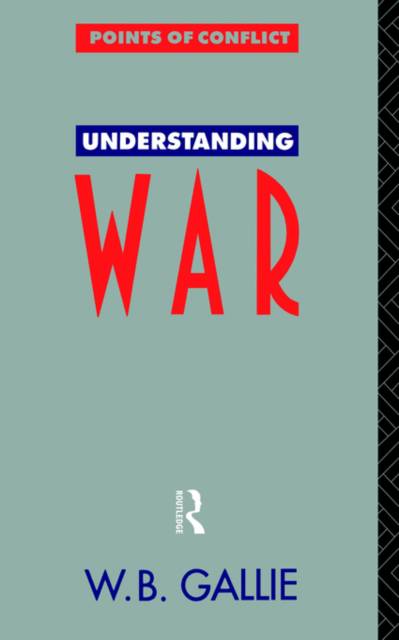
First published in 1990. With the exception of Clausewitz, no reflective thinker has seriously engaged with the concept of war - with its persistent changeability and the dominant direction of its changes. The results of this failure are seen in the extreme logical weakness of most debates, during the last two centuries, on the possibility of eliminating war and, since 1945, on the possibility of eliminating nuclear weapons. Orderly, clear, and reflective, Understanding War develops two main theses: first, that the horrendous escalation of war's destructiveness in this century is primarily the result of the inherently cumulative character of war itself rather than of the application to war of recent science-based technologies; and second, that the irreversible destructiveness of nuclear weapons suggests how joint action by the superpowers could prevent their being used in any future war.
Specificaties
Betrokkenen
- Auteur(s):
- Uitgeverij:
Inhoud
- Aantal bladzijden:
- 122
- Taal:
- Engels
- Reeks:
Eigenschappen
- Productcode (EAN):
- 9780415056403
- Verschijningsdatum:
- 13/12/1990
- Uitvoering:
- Paperback
- Formaat:
- Trade paperback (VS)
- Afmetingen:
- 127 mm x 203 mm
- Gewicht:
- 140 g


Alleen bij Standaard Boekhandel
+ 177 punten op je klantenkaart van Standaard Boekhandel
Cadeau

AANGERADEN


Beoordelingen
We publiceren alleen reviews die voldoen aan de voorwaarden voor reviews. Bekijk onze voorwaarden voor reviews.