


- Afhalen na 1 uur in een winkel met voorraad
- Gratis thuislevering in België vanaf € 30
- Ruim aanbod met 7 miljoen producten
- Afhalen na 1 uur in een winkel met voorraad
- Gratis thuislevering in België vanaf € 30
- Ruim aanbod met 7 miljoen producten





€ 27,95
+ 55 punten
Eenvoudig bestellen
Veilig betalen


Gratis thuislevering vanaf € 30 (via bpost)
Gratis levering in je Standaard Boekhandel
Omschrijving
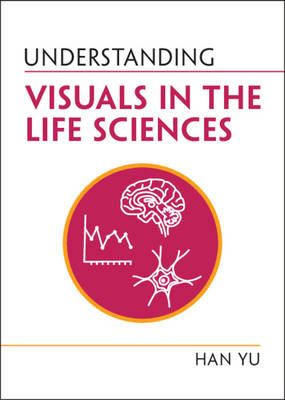
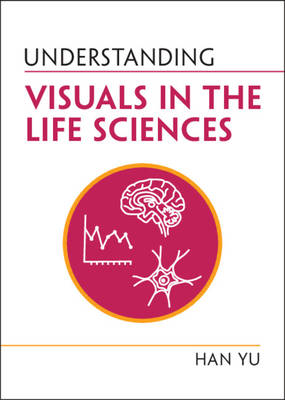
From photographs to micrographs, from the various types of graphs to fun, interactive visuals and games, there are many different forms in which science can be visualised. However, all of these forms of visualisation in the Life Sciences are susceptible to misunderstandings and misinformation. This accessible and concise book demonstrates the misconceptions surrounding the visuals used in popular life science communication. Richly illustrated in colour, this guide is packed with examples of commonly used visual types: photographs, micrographs, illustrations, graphs, interactive visuals, and infographics allowing visual creators to produce more effective visuals that aspire to being both attractive and informative for their target audience. It also encourages non-specialist readers to be more empowered and critical, to ask difficult questions, and to cultivate true engagement with science. This book is an invaluable resource for life scientists and science communicators, and anyone who creates visuals for public or non-specialist readers.
Specificaties
Betrokkenen
- Auteur(s):
- Uitgeverij:
Inhoud
- Aantal bladzijden:
- 232
- Taal:
- Engels
- Reeks:
Eigenschappen
- Productcode (EAN):
- 9781009232241
- Verschijningsdatum:
- 21/11/2024
- Uitvoering:
- Paperback
- Formaat:
- Trade paperback (VS)
- Afmetingen:
- 129 mm x 179 mm
- Gewicht:
- 267 g


Alleen bij Standaard Boekhandel
+ 55 punten op je klantenkaart van Standaard Boekhandel
CADEAU

AANGERADEN


Beoordelingen
We publiceren alleen reviews die voldoen aan de voorwaarden voor reviews. Bekijk onze voorwaarden voor reviews.