


- Afhalen na 1 uur in een winkel met voorraad
- Gratis thuislevering in België vanaf € 30
- Ruim aanbod met 7 miljoen producten
- Afhalen na 1 uur in een winkel met voorraad
- Gratis thuislevering in België vanaf € 30
- Ruim aanbod met 7 miljoen producten





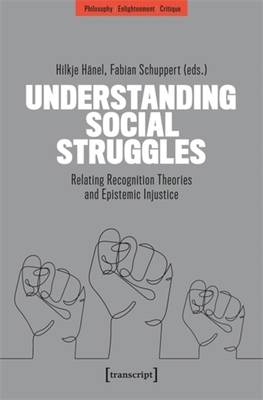
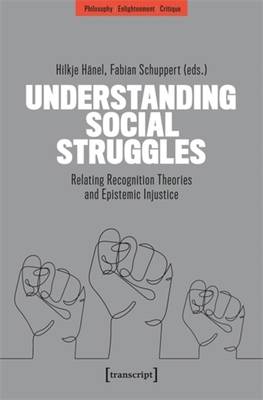
Understanding Social Struggles
Relating Recognition Theories and Epistemic Injustice
€ 48,45
+ 96 punten
Omschrijving
Recently, both liberal philosophy of recognition and theories of epistemic injustice have come under attack for failing to reconstruct how marginalized groups find sources of recognition and agency. To understand social struggles well, we need to think of the way in which those within the struggle act towards emancipatory change instead of focusing on the (re)actions of those in power. This volume brings together leading scholars working at the intersection of epistemic injustice theories and recognition theories, setting out to apply insights from this relation to contemporary phenomena and backlashes in the formation and acts of socially struggling emancipators - also considering ideology critique, epistemology of ignorance, standpoint theory, and theories of consciousness raising.
Specificaties
Betrokkenen
- Uitgeverij:
Inhoud
- Aantal bladzijden:
- 216
- Taal:
- Engels
- Reeks:
- Reeksnummer:
- nr. 13
Eigenschappen
- Productcode (EAN):
- 9783837652178
- Verschijningsdatum:
- 3/02/2026
- Uitvoering:
- Paperback
- Formaat:
- Trade paperback (VS)
- Afmetingen:
- 152 mm x 229 mm
- Gewicht:
- 294 g

Alleen bij Standaard Boekhandel
+ 96 punten op je klantenkaart van Standaard Boekhandel

Beoordelingen
We publiceren alleen reviews die voldoen aan de voorwaarden voor reviews. Bekijk onze voorwaarden voor reviews.