


- Afhalen na 1 uur in een winkel met voorraad
- Gratis thuislevering in België vanaf € 30
- Ruim aanbod met 7 miljoen producten
- Afhalen na 1 uur in een winkel met voorraad
- Gratis thuislevering in België vanaf € 30
- Ruim aanbod met 7 miljoen producten





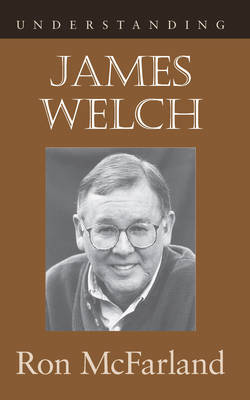
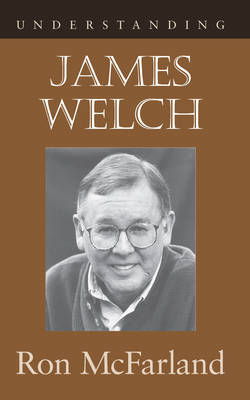
Understanding James Welch
Ron McFarland
€ 35,45
+ 70 punten
Eenvoudig bestellen
Veilig betalen


Gratis thuislevering vanaf € 30 (via bpost)
Gratis levering in je Standaard Boekhandel
Omschrijving
A valuable companion to the works of an acclaimed Native American writer
In Understanding James Welch, Ron McFarland offers analysis and critical commentary on the works of the renowned Blackfeet-Gros Ventre writer whose first novel, Winter in the Blood, has become a classic in Native American fiction and whose book of poems, Riding the Earthboy 40, has remained in print since its initial publication in 1971. McFarland offers close readings of Welch's poems and five novels, as well as his volume of nonfiction, Killing Custer, which tells the story of the Battle of the Little Bighorn from a Native American perspective.
Demonstrating how Welch wrote each of the novels from a different angle, McFarland finds the writer's focus to be on the picaresque in Winter in the Blood, on tragic inevitability in The Death of Jim Loney, on epic qualities in Fools Crow, and on the element of intrigue in The Indian Lawyer. McFarland draws on interviews with Welch, book reviews, and a growing body of secondary scholarly commentary to reflect on Welch's evolution as a writer, his interest in the landscape and the psychological life of his characters, his use of Native American lore and regionalist elements, and his thematic concerns--particularly the identity motif.
Specificaties
Betrokkenen
- Auteur(s):
- Uitgeverij:
Inhoud
- Aantal bladzijden:
- 224
- Taal:
- Engels
- Reeks:
Eigenschappen
- Productcode (EAN):
- 9781570037900
- Verschijningsdatum:
- 2/08/2008
- Uitvoering:
- Paperback
- Formaat:
- Trade paperback (VS)
- Afmetingen:
- 127 mm x 203 mm
- Gewicht:
- 244 g


Alleen bij Standaard Boekhandel
+ 70 punten op je klantenkaart van Standaard Boekhandel
CADEAU

AANGERADEN


Beoordelingen
We publiceren alleen reviews die voldoen aan de voorwaarden voor reviews. Bekijk onze voorwaarden voor reviews.