Standaard Boekhandel gebruikt cookies en gelijkaardige technologieën om de website goed te laten werken en je een betere surfervaring te bezorgen.
Hieronder kan je kiezen welke cookies je wilt inschakelen:
Technische en functionele cookies
Deze cookies zijn essentieel om de website goed te laten functioneren, en laten je toe om bijvoorbeeld in te loggen. Je kan deze cookies niet uitschakelen.
Analytische cookies
Deze cookies verzamelen anonieme informatie over het gebruik van onze website. Op die manier kunnen we de website beter afstemmen op de behoeften van de gebruikers.
Marketingcookies
Deze cookies delen je gedrag op onze website met externe partijen, zodat je op externe platformen relevantere advertenties van Standaard Boekhandel te zien krijgt.
Je cadeautjes zeker op tijd in huis hebben voor de feestdagen? Kom langs in onze winkels en vind het perfecte geschenk!
Afhalen na 1 uur in een winkel met voorraad
Gratis thuislevering in België vanaf € 30
Ruim aanbod met 7 miljoen producten
Je cadeautjes zeker op tijd in huis hebben voor de feestdagen? Kom langs in onze winkels en vind het perfecte geschenk!
Je kan maximaal 250 producten tegelijk aan je winkelmandje toevoegen. Verwijdere enkele producten uit je winkelmandje, of splits je bestelling op in meerdere bestellingen.
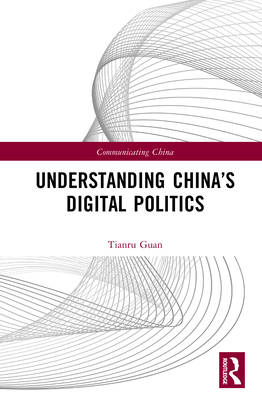
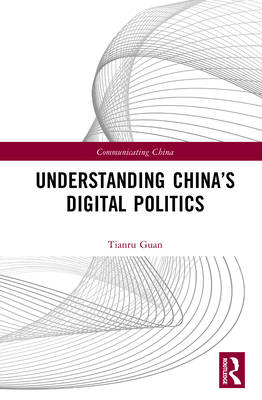
This book examines the impact of China's move to the digital sphere of public deliberation and discourse. It recognizes that although there were great hopes that the Internet, not just in China, would bring pluralism, tolerance, civility, and rationality to public debates, and enhance the prospects for democracy in authoritarian countries, in practice the Internet has, besides encouraging these virtues, also enabled much deplorable behavior. Based on extensive original research, this book explores these more negative aspects of Internet discourse in China, including polarization, conspiratorial discourses, disinformation, populist communication, and hate speech, outlining their nature and considering their consequences. As such, this book goes further than many other books on the Chinese Internet, which focus on the censorship versus resistance perspective.