



- Afhalen na 1 uur in een winkel met voorraad
- In januari gratis thuislevering in België
- Ruim aanbod met 7 miljoen producten
- Afhalen na 1 uur in een winkel met voorraad
- In januari gratis thuislevering in België
- Ruim aanbod met 7 miljoen producten





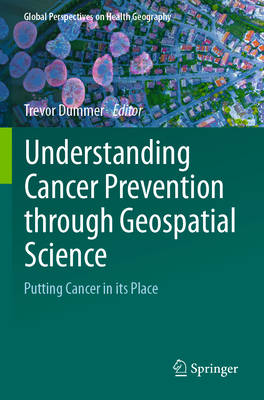
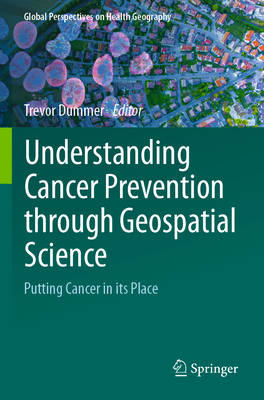
Understanding Cancer Prevention Through Geospatial Science
Putting Cancer in Its Place
€ 216,95
+ 433 punten
Omschrijving
The worldwide cancer burden will double over the next two decades, with the number of new cancer diagnoses increasing in all regions of the world. However, it is estimated that around 40% of all cancers are preventable through the appropriate application of existing epidemiological and public health knowledge, and with further research this proportion will increase considerably. This edited volume explores the role of place in cancer prevention and how geospatial tools can be used to support this globally important goal. Its chapters detail many aspects of the application of geospatial science to cancer control, including quantifying exposure to environmental carcinogens, access to screening services, the importance of partnership building, and more through a variety of geographically diverse case studies. The book also offers background on geospatial modeling tools and methods for adding spatial analysis to cancer surveillance systems. The book is rooted firmly in the notion that geography significantly influences the accumulation of cancer risks (at the individual and community level) that are modifiable through policy, regulatory, and behavioral changes.
The landscape of cancer prevention is vast, encompassing the building blocks of population and public health-i.e., epidemiology and causation-through risk factor modifications, behavior and policy change, to the interface of the cellular with society, including epigenetic modifications and gene/environment interactions, cancer genomics and precision medicine/health. It is clear that geography (space, place, setting, context) is central to all these activities. Geospatial methods and data support risk factor identification, can elucidate the interaction between individual behavioral, demographic, and genetic factors with community level contextual factors, and can be used to prioritize interventions more accurately towards at-risk people and at-risk population groups. Geography is also central to the organization of health services and hence, by definition, is fundamental to the organization of preventative services. More broadly, adopting a geographical approach can help move cancer prevention beyond a narrow medical definition of health, to tackle the upstream and structural determinants of cancer.
Specificaties
Betrokkenen
- Uitgeverij:
Inhoud
- Aantal bladzijden:
- 322
- Taal:
- Engels
- Reeks:
Eigenschappen
- Productcode (EAN):
- 9783031664151
- Verschijningsdatum:
- 28/09/2025
- Uitvoering:
- Paperback
- Formaat:
- Trade paperback (VS)
- Afmetingen:
- 155 mm x 235 mm
- Gewicht:
- 517 g

Alleen bij Standaard Boekhandel
+ 433 punten op je klantenkaart van Standaard Boekhandel
Cadeau

AANGERADEN


Beoordelingen
We publiceren alleen reviews die voldoen aan de voorwaarden voor reviews. Bekijk onze voorwaarden voor reviews.