



- Afhalen na 1 uur in een winkel met voorraad
- In januari gratis thuislevering in België
- Ruim aanbod met 7 miljoen producten
- Afhalen na 1 uur in een winkel met voorraad
- In januari gratis thuislevering in België
- Ruim aanbod met 7 miljoen producten





€ 76,45
+ 152 punten
Omschrijving
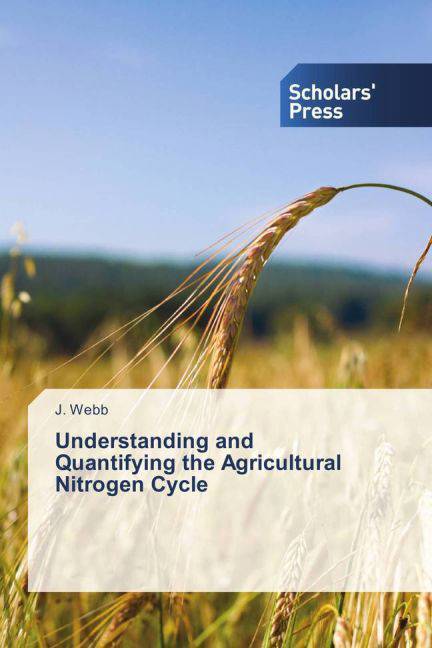
The object of this work was to identify means to reduce N emissions from agriculture, in particular ammonia, which would not increase emissions of other forms of N or reduce crop productivity or soil sustainability. The work began with studies to quantify the impacts of soil type, previous crop, amounts of N applied to the previous crop and anticipated cereal yield on the N fertilizer requirement of cereals. Field work and modelling exercises are reported which assessed the impacts of ammonia abatement on losses of nitrate and nitrous oxide, and the total external costs of N pollution. The book concludes with some applications of this work: updating fertilizer N recommendations; improving the UK national ammonia inventory and increasing understanding of ammonia abatement on other N losses. This book is intended for students interested in understanding why nitrogen fertilizer is used in commercial farming and how emissions of N to the wider environment may be reduced.
Specificaties
Betrokkenen
- Auteur(s):
- Uitgeverij:
Inhoud
- Aantal bladzijden:
- 152
- Taal:
- Engels
Eigenschappen
- Productcode (EAN):
- 9783639669916
- Verschijningsdatum:
- 28/01/2015
- Uitvoering:
- Paperback
- Afmetingen:
- 150 mm x 220 mm
- Gewicht:
- 245 g


Alleen bij Standaard Boekhandel
+ 152 punten op je klantenkaart van Standaard Boekhandel
Cadeau

AANGERADEN


Beoordelingen
We publiceren alleen reviews die voldoen aan de voorwaarden voor reviews. Bekijk onze voorwaarden voor reviews.