


- Afhalen na 1 uur in een winkel met voorraad
- Gratis thuislevering in België vanaf € 30
- Ruim aanbod met 7 miljoen producten
- Afhalen na 1 uur in een winkel met voorraad
- Gratis thuislevering in België vanaf € 30
- Ruim aanbod met 7 miljoen producten





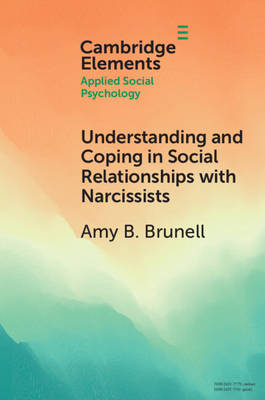
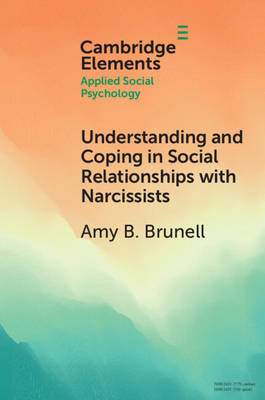
Understanding and Coping in Social Relationships with Narcissists
Amy B Brunell
€ 36,45
+ 72 punten
Uitvoering
Omschrijving
Narcissism is a trait that comes in different forms (agentic, communal, and vulnerable), which are all marked by characteristics such as entitlement, self-centeredness, and little empathy for others. One reason narcissism has gained attention among scholars and laypeople alike is because of its implications for social relationships. Narcissists' behaviors frequently have negative consequences for others. Whether their relationships are with coworkers or close relationship partners, interactions with narcissists can be challenging and emotionally taxing. Despite this, there is a sparse amount of research that addresses how to cope with difficult narcissistic relationships. This Element includes an overview of the trait forms of narcissism and discusses its implications for their social relationships. It provides a background about the development of narcissism and offers some research-informed suggestions for how to cope in narcissistic relationships. Future directions for research are also discussed.
Specificaties
Betrokkenen
- Auteur(s):
- Uitgeverij:
Inhoud
- Aantal bladzijden:
- 66
- Taal:
- Engels
- Reeks:
Eigenschappen
- Productcode (EAN):
- 9781108827607
- Verschijningsdatum:
- 16/01/2025
- Uitvoering:
- Paperback
- Formaat:
- Trade paperback (VS)
- Afmetingen:
- 152 mm x 229 mm
- Gewicht:
- 104 g


Alleen bij Standaard Boekhandel
+ 72 punten op je klantenkaart van Standaard Boekhandel
Cadeau

AANGERADEN


Beoordelingen
We publiceren alleen reviews die voldoen aan de voorwaarden voor reviews. Bekijk onze voorwaarden voor reviews.