


- Afhalen na 1 uur in een winkel met voorraad
- Gratis thuislevering in België vanaf € 30
- Ruim aanbod met 7 miljoen producten
- Afhalen na 1 uur in een winkel met voorraad
- Gratis thuislevering in België vanaf € 30
- Ruim aanbod met 7 miljoen producten




€ 220,45
+ 440 punten
Omschrijving
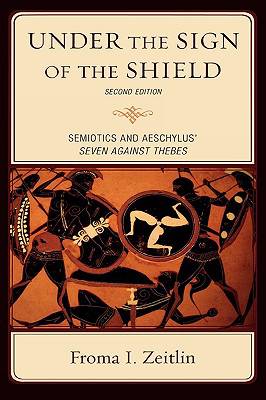
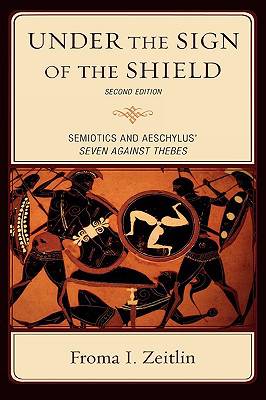
Described as "a powerful, brilliant, and original study" when first published, this second edition of Froma Zeitlin's experiment in decoding the Aeschylus' Seven Against Thebes in the light of contemporary theory now updates her explorations of the tragic struggle between Eteocles and Polyneices, the doomed sons of Oedipus, with a new preface, a new afterword, and the addition of the relevant Greek texts. The mutual self-destruction of the enemy brothers in this last act of the cursed family is preceded (and determined) by one of Aeschylus' most daring innovations through the pairing of the shields of attackers and defenders in the central scene of the play as an extended dialogue explicitly concerned with visual and verbal symbols. In a preliminary consideration of the relations between language and kinship and between city and family, between self and society, as determining forces in fifth-century drama, the heart of the book is a detailed investigation of this tour de force of semiotic energy. Zeitlin's decipherment of this provocative text yields a heightened appreciation of Aeschylus' compositional artistry and the complexity of his worldview. At the same time, this study points the way to Zeitlin's larger engagement with the special ideological role that the city of Thebes comes to play on the tragic stage as the negative counterpart to the self-representation of Athens.
Specificaties
Betrokkenen
- Auteur(s):
- Uitgeverij:
Inhoud
- Aantal bladzijden:
- 198
- Taal:
- Engels
- Reeks:
Eigenschappen
- Productcode (EAN):
- 9780739125892
- Verschijningsdatum:
- 01/03/2009
- Uitvoering:
- Hardcover
- Formaat:
- Genaaid
- Afmetingen:
- 155 mm x 229 mm
- Gewicht:
- 430 g


Alleen bij Standaard Boekhandel
+ 440 punten op je klantenkaart van Standaard Boekhandel
Cadeau

AANGERADEN


Beoordelingen
We publiceren alleen reviews die voldoen aan de voorwaarden voor reviews. Bekijk onze voorwaarden voor reviews.