


- Afhalen na 1 uur in een winkel met voorraad
- Gratis thuislevering in België vanaf € 30
- Ruim aanbod met 7 miljoen producten
- Afhalen na 1 uur in een winkel met voorraad
- Gratis thuislevering in België vanaf € 30
- Ruim aanbod met 7 miljoen producten




€ 354,45
+ 708 punten
Omschrijving
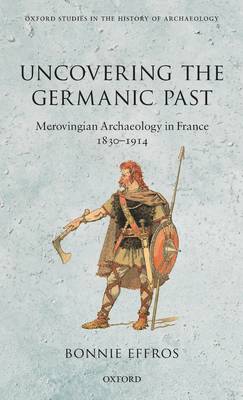
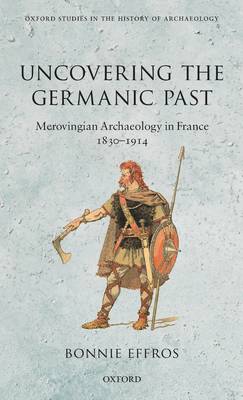
Uncovering the Germanic Past brings to light an unexpected side-effect of France's nineteenth-century Industrial Revolution. While laying tracks for new rail lines, quarrying for stone, and expanding lands under cultivation, French labourers uncovered bones and artefacts from long-forgotten cemeteries. Although their original owners were unknown, research by a growing number of amateur archaeologists of the bourgeois class determined that these were the graves of Germanic 'warriors', and their work, presented in provincial learned societies across France, documented evidence for significant numbers of Franks, Burgundians, and Visigoths in late Roman Gaul. They thus challenged prevailing views in France of the population's exclusively Gallic ancestry, contradicting the influential writings of Parisian historians like Augustin Thierry and Numa-Denis Fustel de Coulanges. Although some scholars drew on this material evidence to refine their understanding of the early ancestors of the French, most ignored, at their peril, inconvenient finds that challenged the centrality of the ancient Gauls as the forebears of France.
Crossing the boundaries of the fields of medieval archaeology and history, nineteenth-century French history, and the history of science, Effros suggests how the slow progress and professionalization of Merovingian (or early medieval) archaeology, a sub-discipline in the larger field of national archaeology in France, was in part a consequence of the undesirable evidence it brought to light.
Crossing the boundaries of the fields of medieval archaeology and history, nineteenth-century French history, and the history of science, Effros suggests how the slow progress and professionalization of Merovingian (or early medieval) archaeology, a sub-discipline in the larger field of national archaeology in France, was in part a consequence of the undesirable evidence it brought to light.
Specificaties
Betrokkenen
- Auteur(s):
- Uitgeverij:
Inhoud
- Aantal bladzijden:
- 452
- Taal:
- Engels
- Reeks:
Eigenschappen
- Productcode (EAN):
- 9780199696710
- Verschijningsdatum:
- 26/07/2012
- Uitvoering:
- Hardcover
- Formaat:
- Genaaid
- Afmetingen:
- 142 mm x 216 mm
- Gewicht:
- 748 g


Alleen bij Standaard Boekhandel
+ 708 punten op je klantenkaart van Standaard Boekhandel
AANGERADEN


Beoordelingen
We publiceren alleen reviews die voldoen aan de voorwaarden voor reviews. Bekijk onze voorwaarden voor reviews.