


- Afhalen na 1 uur in een winkel met voorraad
- Gratis thuislevering in België vanaf € 30
- Ruim aanbod met 7 miljoen producten
- Afhalen na 1 uur in een winkel met voorraad
- Gratis thuislevering in België vanaf € 30
- Ruim aanbod met 7 miljoen producten




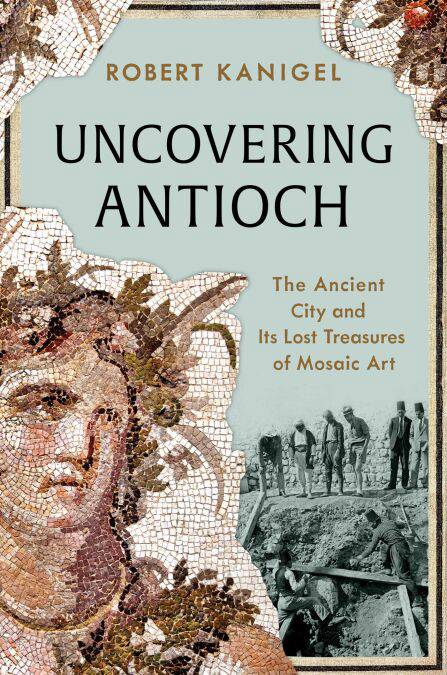
Uncovering Antioch E-BOOK
The Ancient City and Its Lost Treasures of Mosaic Art
Robert Kanigel
E-book | Engels
€ 16,76
+ 16 punten
Omschrijving
The story of the making, loss, and recovery of some of the greatest treasures of antiquity, raising questions about ancient mosaic art and its creation, the work of archaeology, and museum practice.
In 1932, after years of fundraising and flurries of letters back and forth, an archaeological team from Princeton University gathered in Antioch, Syria. They expected to find sculptures, frescos, palace walls, and busts. Instead, all across this ancient Roman metropolis, they stumbled upon one site after another of extraordinary mosaic treasure, incomparable in number, quality, and historical significance.
There were some three hundred of them in all, glories of color and design, stones and pieces of glass heaped up into spectacular images. Many of them were vast, room-sized tableaus, commissioned by wealthy Antiochenes for their villas. They depict banquets, drinking contests, olive harvests; lions, leopards, peacocks, and gazelles; legends, scenes from mythology, Cupid and Psyche, Narcissus and Dionysus. Though dated to early in the Christian era, they are unabashedly pagan; the animals and plants they depict are so life-like scholars can often identify them by species. A vast, collectively obsessive outpouring of industry and effort, art and artisanship, they stand for beauty, the drive to make it, and the human need to have it as part of life.
The eight-year dig at Antioch was an astonishing human enterprise, one that survived Depression-era financial downturns, interpersonal conflict, and the looming threat of World War II. Gained were mosaics that ultimately ended up in museums around the world—Harvard University, Boston’s Museum of Fine Arts, New York’s Metropolitan, Paris’s Louvre, and more than a dozen others. But while an archaeological triumph, shedding new light on the ancient world, it also raised profound questions about the nature and progress of art. Who has a right to a work of art—the country of origin or the archaeologists who dig it up? Is art more interesting for its beauty, its history, or the craft and intelligence that goes into its making? What elevates a craftsperson into an artist? Robert Kanigel tackles these questions and more, breathing life into this landmark adventure of intellect and discovery.
In 1932, after years of fundraising and flurries of letters back and forth, an archaeological team from Princeton University gathered in Antioch, Syria. They expected to find sculptures, frescos, palace walls, and busts. Instead, all across this ancient Roman metropolis, they stumbled upon one site after another of extraordinary mosaic treasure, incomparable in number, quality, and historical significance.
There were some three hundred of them in all, glories of color and design, stones and pieces of glass heaped up into spectacular images. Many of them were vast, room-sized tableaus, commissioned by wealthy Antiochenes for their villas. They depict banquets, drinking contests, olive harvests; lions, leopards, peacocks, and gazelles; legends, scenes from mythology, Cupid and Psyche, Narcissus and Dionysus. Though dated to early in the Christian era, they are unabashedly pagan; the animals and plants they depict are so life-like scholars can often identify them by species. A vast, collectively obsessive outpouring of industry and effort, art and artisanship, they stand for beauty, the drive to make it, and the human need to have it as part of life.
The eight-year dig at Antioch was an astonishing human enterprise, one that survived Depression-era financial downturns, interpersonal conflict, and the looming threat of World War II. Gained were mosaics that ultimately ended up in museums around the world—Harvard University, Boston’s Museum of Fine Arts, New York’s Metropolitan, Paris’s Louvre, and more than a dozen others. But while an archaeological triumph, shedding new light on the ancient world, it also raised profound questions about the nature and progress of art. Who has a right to a work of art—the country of origin or the archaeologists who dig it up? Is art more interesting for its beauty, its history, or the craft and intelligence that goes into its making? What elevates a craftsperson into an artist? Robert Kanigel tackles these questions and more, breathing life into this landmark adventure of intellect and discovery.
Specificaties
Betrokkenen
- Auteur(s):
- Uitgeverij:
Inhoud
- Aantal bladzijden:
- 320
- Taal:
- Engels
Eigenschappen
- Productcode (EAN):
- 9781668006245
- Verschijningsdatum:
- 24/08/2026
- Uitvoering:
- E-book
- Beveiligd met:
- Adobe DRM
- Formaat:
- ePub


Alleen bij Standaard Boekhandel
+ 16 punten op je klantenkaart van Standaard Boekhandel
AANGERADEN


Beoordelingen
We publiceren alleen reviews die voldoen aan de voorwaarden voor reviews. Bekijk onze voorwaarden voor reviews.