


- Afhalen na 1 uur in een winkel met voorraad
- Gratis thuislevering in België vanaf € 30
- Ruim aanbod met 7 miljoen producten
- Afhalen na 1 uur in een winkel met voorraad
- Gratis thuislevering in België vanaf € 30
- Ruim aanbod met 7 miljoen producten





Omschrijving
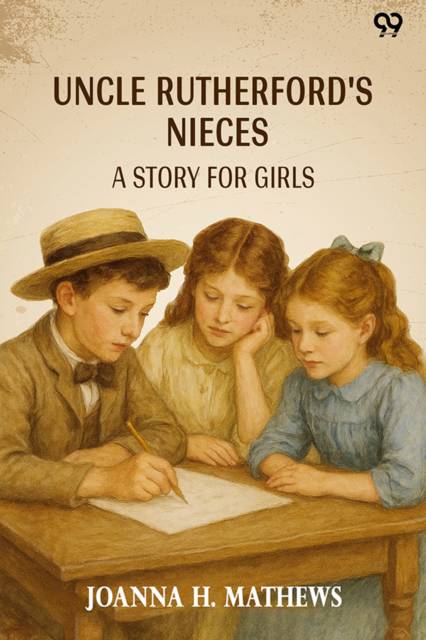
Uncle Rutherford s nieces: A story for girls portrays the emotional landscape of childhood through acts of imagination, empathy, and aspiration. Focusing on young minds navigating early ideas of purpose and responsibility, the novel captures how generosity and ambition can coexist in youthful dreams. The children s experiences unfold not through dramatic incidents but through small gestures and conversations that reveal developing character and conscience. Their playful moments are contrasted with reflections on fairness, support, and helping others, often inspired by interactions with family and peers. The narrative pays particular attention to how guidance from adults can subtly shape values without overt instruction, allowing growth to emerge from understanding rather than correction. Ideas of service and compassion are made tangible through entrepreneurial imagination, suggesting that idealism begins in the ordinary spaces of play and daily curiosity. The presence of extended family introduces a broader emotional context that enriches the children s world, offering a sense of stability and intergenerational influence. Ultimately, the story invites readers to see childhood not as a waiting space but as a vital time for developing purpose and identity through thoughtful, heartfelt action.
Specificaties
Betrokkenen
- Auteur(s):
- Uitgeverij:
Inhoud
- Aantal bladzijden:
- 144
- Taal:
- Engels
Eigenschappen
- Productcode (EAN):
- 9789371138932
- Verschijningsdatum:
- 1/05/2025
- Uitvoering:
- Paperback
- Formaat:
- Trade paperback (VS)
- Afmetingen:
- 140 mm x 216 mm
- Gewicht:
- 172 g


Alleen bij Standaard Boekhandel
+ 47 punten op je klantenkaart van Standaard Boekhandel

Beoordelingen
We publiceren alleen reviews die voldoen aan de voorwaarden voor reviews. Bekijk onze voorwaarden voor reviews.