


- Afhalen na 1 uur in een winkel met voorraad
- Gratis thuislevering in België vanaf € 30
- Ruim aanbod met 7 miljoen producten
- Afhalen na 1 uur in een winkel met voorraad
- Gratis thuislevering in België vanaf € 30
- Ruim aanbod met 7 miljoen producten




€ 116,60
+ 233 punten
Omschrijving
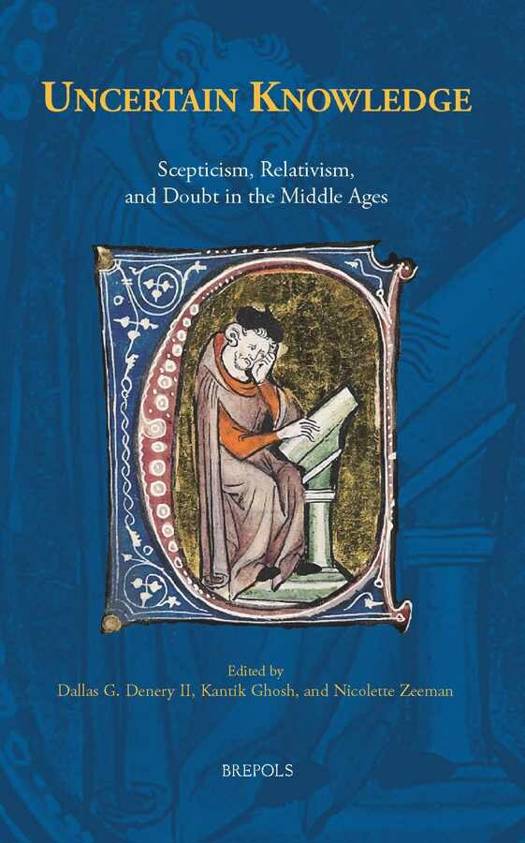
What are the forms in which later medieval thinkers articulate epistemological scepticism, relativism, and doubt? Is it possible to voice different forms of uncertainty in different institutional contexts and languages? Bringing together specialists in philosophy, theology, history, and literature, this book undertakes an interdisciplinary investigation of some of the ways in which the problem of knowledge was explored in the Middle Ages. This is a topic of central intellectual importance and has large cultural consequences. The Middle Ages are often still treated by non-medievalists as a time of naive epistemological self-confidence, and we hope that ultimately this revisionist project will have impact beyond medieval studies, illustrating the extent to which this was a period in which many thinkers were intrigued by, and comfortable with, uncertainty.
Specificaties
Betrokkenen
- Auteur(s):
- Uitgeverij:
Inhoud
- Aantal bladzijden:
- 353
- Taal:
- Engels
- Reeks:
- Reeksnummer:
- nr. 14
Eigenschappen
- Productcode (EAN):
- 9782503547763
- Verschijningsdatum:
- 28/03/2014
- Uitvoering:
- Hardcover
- Formaat:
- Genaaid
- Afmetingen:
- 163 mm x 242 mm
- Gewicht:
- 703 g


Alleen bij Standaard Boekhandel
+ 233 punten op je klantenkaart van Standaard Boekhandel
AANGERADEN


Beoordelingen
We publiceren alleen reviews die voldoen aan de voorwaarden voor reviews. Bekijk onze voorwaarden voor reviews.