


- Afhalen na 1 uur in een winkel met voorraad
- Gratis thuislevering in België vanaf € 30
- Ruim aanbod met 7 miljoen producten
- Afhalen na 1 uur in een winkel met voorraad
- Gratis thuislevering in België vanaf € 30
- Ruim aanbod met 7 miljoen producten





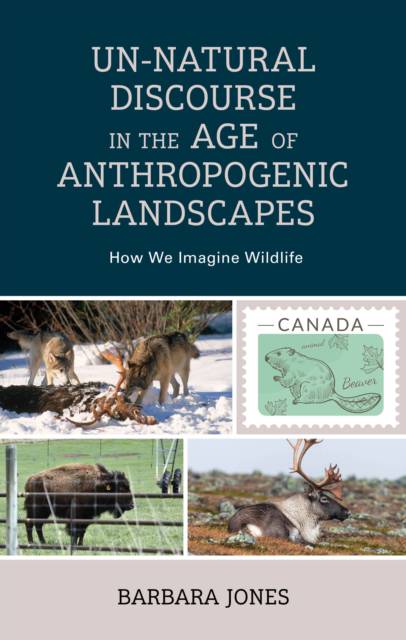
Un-Natural Discourse in the Age of Anthropogenic Landscapes
How We Imagine Wildlife
Barbara Jones
Hardcover | Engels
€ 167,95
+ 335 punten
Omschrijving
Our relationship with wildlife and wild spaces is moving away from one of dominion over nature to one that strives for coexistence; yet this coexistence is typically fragmented and with many wildlife species relies on tautologies that reinforce unnatural and culturally defined metaphors and stories that keep us outside of nature. To assist in identifying common ground amidst competing users of our shared landscapes, Un-Natural Discourse in the Age of Anthropogenic Landscapes: How We Imagine Wildlife considers how the language we use can challenge our ability to coexist with wild nature. When we say a bison is livestock we diminish its wildness, while a beaver as a pest marginalizes it to exist outside of our Anthropogenic landscapes or to not exist at all. By calling the woodland caribou the gray ghost we have made it invisible so when it disappeared from the lower forty-eight United States, its absence was hardly acknowledged. Anti-predator hype defines the gray wolf as vermin and the federally protected grizzly as ferocious or as a conflict bear to maintain and encourage a low social tolerance for those species. Since language forms meaning, Barbara Jones argues how by relying on unnatural discourse to relate to the natural world, coexistence becomes much more difficult to achieve.
Specificaties
Betrokkenen
- Auteur(s):
- Uitgeverij:
Inhoud
- Aantal bladzijden:
- 232
- Taal:
- Engels
Eigenschappen
- Productcode (EAN):
- 9781666914801
- Verschijningsdatum:
- 15/03/2025
- Uitvoering:
- Hardcover
- Formaat:
- Genaaid
- Afmetingen:
- 152 mm x 229 mm
- Gewicht:
- 471 g



Alleen bij Standaard Boekhandel
+ 335 punten op je klantenkaart van Standaard Boekhandel
Cadeau

AANGERADEN


Beoordelingen
We publiceren alleen reviews die voldoen aan de voorwaarden voor reviews. Bekijk onze voorwaarden voor reviews.