


- Afhalen na 1 uur in een winkel met voorraad
- Gratis thuislevering in België vanaf € 30
- Ruim aanbod met 7 miljoen producten
- Afhalen na 1 uur in een winkel met voorraad
- Gratis thuislevering in België vanaf € 30
- Ruim aanbod met 7 miljoen producten





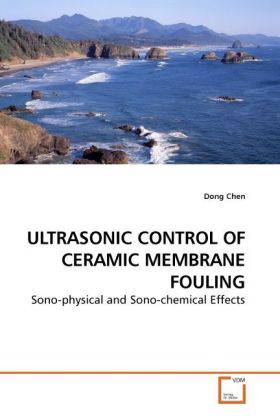
ULTRASONIC CONTROL OF CERAMIC MEMBRANE FOULING
Sono-physical and Sono-chemical Effects
Dong Chen
Paperback | Engels
€ 87,45
+ 174 punten
Omschrijving
Membrane processes are of increased interest in water and wastewater treatment, food, biotechnological, chemical, and pharmaceutical industries, because of their versatility and effectiveness. However, a common problem encountered during the application of membrane filtration is membrane fouling. Membrane fouling results in increased operating costs due to the higher pressures required to maintain permeate flux, the time and materials needed for membrane cleaning, and membrane replacement. This study systematically investigated the mechanism and efficiency of an innovative ultrasonic technique to control ceramic membrane fouling caused by silica particles and dissolved organic matter. It was found that ultrasound reduced membrane fouling significantly. Based on the mechanistic understanding of the sono-physical and sono-chemical effects of ultrasound, the technical guidelines were proposed to optimize the ultrasonic efficiency to improve the performance of membrane filtration. This study should be especially useful to professionals in water and wastewater treatment, membrane manufactures, or anyone else who may be interested in utilizing ultrasound in engineering processes.
Specificaties
Betrokkenen
- Auteur(s):
- Uitgeverij:
Inhoud
- Aantal bladzijden:
- 160
- Taal:
- Engels
Eigenschappen
- Productcode (EAN):
- 9783639209051
- Verschijningsdatum:
- 20/10/2009
- Uitvoering:
- Paperback
- Afmetingen:
- 152 mm x 229 mm
- Gewicht:
- 245 g


Alleen bij Standaard Boekhandel
+ 174 punten op je klantenkaart van Standaard Boekhandel
Cadeau

AANGERADEN


Beoordelingen
We publiceren alleen reviews die voldoen aan de voorwaarden voor reviews. Bekijk onze voorwaarden voor reviews.