


- Afhalen na 1 uur in een winkel met voorraad
- Gratis thuislevering in België vanaf € 30
- Ruim aanbod met 7 miljoen producten
- Afhalen na 1 uur in een winkel met voorraad
- Gratis thuislevering in België vanaf € 30
- Ruim aanbod met 7 miljoen producten





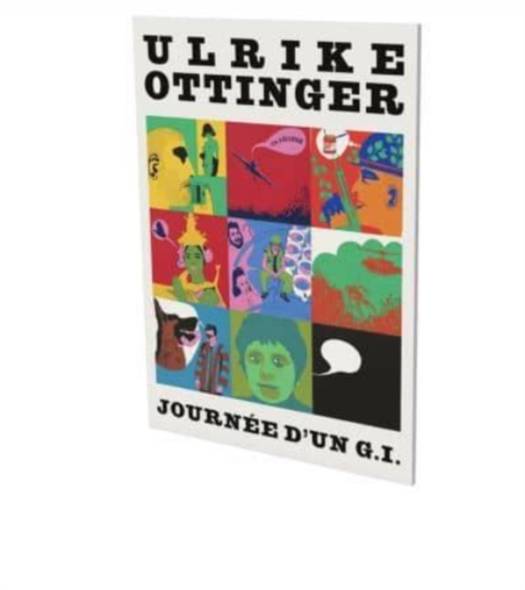
Ulrike Ottinger: Journée d'Un G.I.
Cat. Cfa Contemporary Fine Arts Berlin
Dana Zaja
Paperback | Duits, Engels
€ 19,95
+ 39 punten
Omschrijving
Journée d'un G.I. features paintings and serigraphs from the 1960s. Ulrike Ottinger's often multi-part works, or works divided into several pictorial fields, reveal a passion for storytelling that ultimately finds its fulfillment in the medium of film. She became somewhat of a cult star in cineaste circles with her Berlin trilogy and its outstanding second film Freak Orlando (1981). In 2019, in the diary Paris Calligrammes, she went on to show memories of her formative decade in Paris in a cinematic collection, which brings us right to the heart of the pictorial narratives of Journée d'un G.I. It's the mid-1960s, Ulrike Ottinger is a painter, when Paris is shaken by images of war and revolution. At home in Nouvelle Figuration, a Parisian form of Pop Art, it is everyday scenes, comics, photography, and advertising that determine the narrative style of Ottinger's images. Day-to-day rituals mingle with references to historical figures and literary heroes. While the daily battles rage, her heroes are taking a break; Che Guevara as "Le penseur" is lolling on a sofa while sipping a drink; Allen Ginsberg has "No more to say and nothing to weep for."
Specificaties
Betrokkenen
- Auteur(s):
- Uitgeverij:
Inhoud
- Aantal bladzijden:
- 24
- Taal:
- Duits, Engels
Eigenschappen
- Productcode (EAN):
- 9783864423598
- Verschijningsdatum:
- 5/05/2022
- Uitvoering:
- Paperback
- Formaat:
- Trade paperback (VS)
- Afmetingen:
- 192 mm x 274 mm
- Gewicht:
- 249 g


Alleen bij Standaard Boekhandel
+ 39 punten op je klantenkaart van Standaard Boekhandel
Cadeau

AANGERADEN


Beoordelingen
We publiceren alleen reviews die voldoen aan de voorwaarden voor reviews. Bekijk onze voorwaarden voor reviews.