


- Afhalen na 1 uur in een winkel met voorraad
- Gratis thuislevering in België vanaf € 30
- Ruim aanbod met 7 miljoen producten
- Afhalen na 1 uur in een winkel met voorraad
- Gratis thuislevering in België vanaf € 30
- Ruim aanbod met 7 miljoen producten





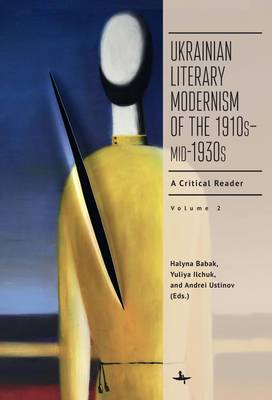
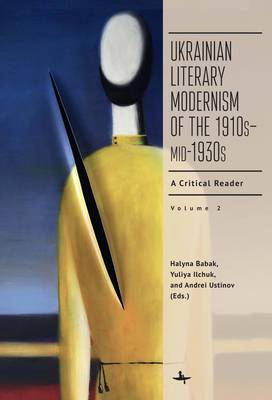
Ukrainian Literary Modernism of the 1910s-Mid-1930s, Vol II
A Critical Reader
€ 194,45
+ 388 punten
Omschrijving
The Reader introduces Anglophone audiences to the original theoretical writings and poetry produced in Ukraine from the 1910s through the emergence of the totalitarian state under Stalin in the mid-1930s. It captures the vibrancy of a cultural moment when modernism and the avant-garde became the leading forms of artistic, literary, and intellectual expression. Far from being a peripheral phenomenon, Ukrainian modernism evolved in a dynamic dialogue with both European and Russian counterparts while maintaining its own national and ideological distinctiveness. The Reader demonstrates how Formalist theory and avant-garde literary practice shaped poetic creation and, in turn, how these aesthetic innovations engaged with broader projects of Soviet modernization and nation-building. By bringing together key critical and poetic works that reveal the tension between national aspirations and avant-garde currents in Ukrainian culture, the book redefines Ukrainian modernism as a movement uniting theoretical innovation, artistic experimentation, and political engagement. It invites readers to recognize how, forged in the crucible of the early Soviet decades, literature emerged not only as a reflection but also as a maker of modernity.
Specificaties
Betrokkenen
- Uitgeverij:
Inhoud
- Taal:
- Engels
- Reeks:
Eigenschappen
- Productcode (EAN):
- 9798897831357
- Verschijningsdatum:
- 26/05/2026
- Uitvoering:
- Hardcover
- Formaat:
- Genaaid

Alleen bij Standaard Boekhandel
+ 388 punten op je klantenkaart van Standaard Boekhandel
Cadeau

AANGERADEN


Beoordelingen
We publiceren alleen reviews die voldoen aan de voorwaarden voor reviews. Bekijk onze voorwaarden voor reviews.