


- Afhalen na 1 uur in een winkel met voorraad
- Gratis thuislevering in België vanaf € 30
- Ruim aanbod met 7 miljoen producten
- Afhalen na 1 uur in een winkel met voorraad
- Gratis thuislevering in België vanaf € 30
- Ruim aanbod met 7 miljoen producten





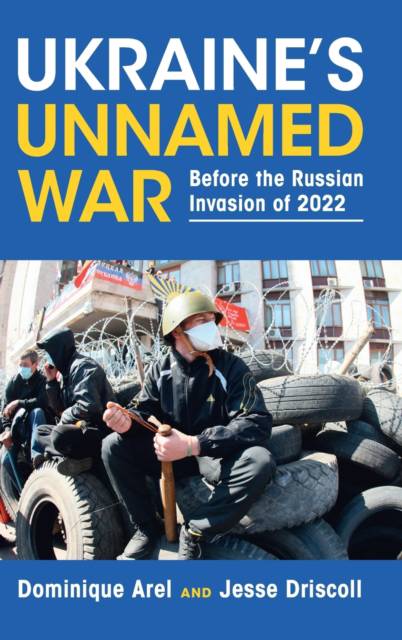
Ukraine's Unnamed War
Before the Russian Invasion of 2022
Dominique Arel, Jesse Driscoll
Hardcover | Engels
€ 168,95
+ 337 punten
Uitvoering
Omschrijving
The Russian invasion of Ukraine in 2022 has its roots in the events of 2013-2014. Russia cynically termed the seditionist conflict in Crimea and Eastern Donbas a 'civil war' in order to claim non-involvement. This flies in the face of evidence, but the authors argue that the social science literature on civil wars can be used help understand why no political solution was found between 2015 and 2022. The book explains how Russia, after seizing Crimea, was reacting to events it could not control and sent troops only to areas of Ukraine where it knew it would face little resistance (Eastern Donbas). Kremlin decisionmakers misunderstood the attachment of the Russian-speaking population to the Ukrainian state and also failed to anticipate that their intervention would transform Ukraine into a more cohesively 'Ukrainian' polity. Drawing on Ukrainian documentary sources, this concise book explains these important developments to a non-specialist readership.
Specificaties
Betrokkenen
- Auteur(s):
- Uitgeverij:
Inhoud
- Aantal bladzijden:
- 286
- Taal:
- Engels
- Leeftijd:
Eigenschappen
- Productcode (EAN):
- 9781316511497
- Verschijningsdatum:
- 5/01/2023
- Uitvoering:
- Hardcover
- Formaat:
- Genaaid
- Afmetingen:
- 152 mm x 229 mm
- Gewicht:
- 548 g


Alleen bij Standaard Boekhandel
+ 337 punten op je klantenkaart van Standaard Boekhandel
Cadeau

AANGERADEN


Beoordelingen
We publiceren alleen reviews die voldoen aan de voorwaarden voor reviews. Bekijk onze voorwaarden voor reviews.