


- Afhalen na 1 uur in een winkel met voorraad
- Gratis thuislevering in België vanaf € 30
- Ruim aanbod met 7 miljoen producten
- Afhalen na 1 uur in een winkel met voorraad
- Gratis thuislevering in België vanaf € 30
- Ruim aanbod met 7 miljoen producten





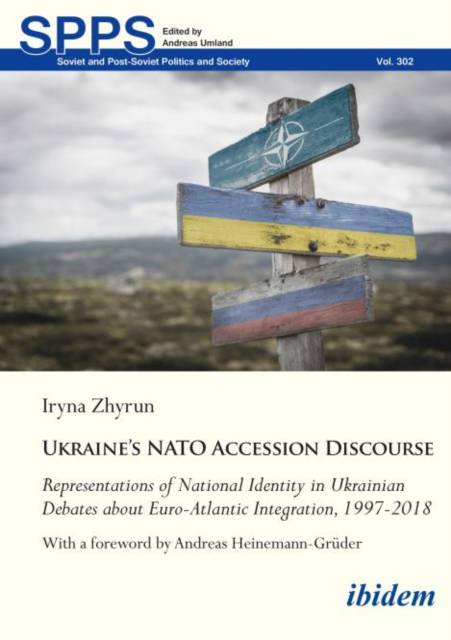
Ukraine's NATO Accession Discourse
Representations of National Identity in Ukrainian Debates about Euro-Atlantic Integration, 1997-2018
Iryna Zhyrun
€ 42,45
+ 84 punten
Eenvoudig bestellen
Veilig betalen


Gratis thuislevering vanaf € 30 (via bpost)
Gratis levering in je Standaard Boekhandel
Omschrijving
For a long time, Ukraine was an outlier in NATO's outreach efforts and enlargement process. It suffers from territorial disputes and has now a protracted armed conflict. Until recently, it could not reach a national consensus on its Euro-Atlantic integration and did not ensure majority support of its population for an accession to NATO. In 2019, the Verkhovna Rada (Supreme Council) voted to put the country's aspiration to NATO membership into the Ukrainian Constitution. Iryna Zhyrun analyzes the evolving conceptualization of Ukrainian national identity in relation to Ukraine's Euro-Atlantic integration among the ruling political elites in Ukraine. She argues that there was a constitutive link between changes in the definition of national identity and choice of distinct policy directions. Foreign affairs became identity politics. Her argument is based on a longitudinal study of the politics and discussion of Ukraine-NATO relations during the Kuchma, Yushchenko, Yanukovych, and Poroshenko presidencies. Her study connects these debates to structural changes of Ukrainian politics and other factors influencing national identity articulations during this period and applies a discourse-analytical approach to an intense two-decades-long political debate.
Specificaties
Betrokkenen
- Auteur(s):
- Uitgeverij:
Inhoud
- Aantal bladzijden:
- 336
- Taal:
- Engels
- Reeks:
Eigenschappen
- Productcode (EAN):
- 9783838220628
- Verschijningsdatum:
- 16/06/2026
- Uitvoering:
- Paperback
- Formaat:
- Trade paperback (VS)
- Afmetingen:
- 147 mm x 208 mm
- Gewicht:
- 430 g



Alleen bij Standaard Boekhandel
+ 84 punten op je klantenkaart van Standaard Boekhandel
CADEAU

AANGERADEN


Beoordelingen
We publiceren alleen reviews die voldoen aan de voorwaarden voor reviews. Bekijk onze voorwaarden voor reviews.