


- Afhalen na 1 uur in een winkel met voorraad
- Gratis thuislevering in België vanaf € 30
- Ruim aanbod met 7 miljoen producten
- Afhalen na 1 uur in een winkel met voorraad
- Gratis thuislevering in België vanaf € 30
- Ruim aanbod met 7 miljoen producten





€ 78,45
+ 156 punten
Omschrijving
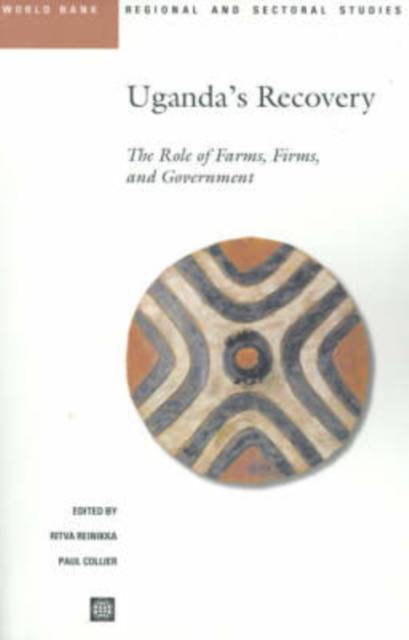
Uganda's recovery over the past 15 years from economic decline, conflict, and repressive government to macroeconomic stability, high growth, and considerable political freedom signifies a major turnaround in Africa. What makes Uganda's postconflict recovery significant is that it coincides with one of the most ambitious programs of economic liberalization on the African continent. This book focuses on postconflict recovery and economic liberalization. This book also provides a detailed discussion of the many issues policymakers have to consider when they try to guide a country out of a tragic past. It highlights the complexity of the interconnections and tradeoffs involved. The responses of a wide range of actors in the economy, namely, households, firms, and the government are analyzed. This book brings together a number of mostly microeconomic studies on the Ugandan experience of postconflict recovery and economic liberalization. The individual studies incorporate the most recent thinking, theory, and analytical techniques in a number of areas and apply them to one country.
Specificaties
Betrokkenen
- Auteur(s):
- Uitgeverij:
Inhoud
- Aantal bladzijden:
- 424
- Taal:
- Engels
- Reeks:
Eigenschappen
- Productcode (EAN):
- 9780821346648
- Verschijningsdatum:
- 1/06/2001
- Uitvoering:
- Paperback
- Formaat:
- Trade paperback (VS)
- Afmetingen:
- 152 mm x 229 mm
- Gewicht:
- 743 g


Alleen bij Standaard Boekhandel
+ 156 punten op je klantenkaart van Standaard Boekhandel
Cadeau

AANGERADEN


Beoordelingen
We publiceren alleen reviews die voldoen aan de voorwaarden voor reviews. Bekijk onze voorwaarden voor reviews.