


- Afhalen na 1 uur in een winkel met voorraad
- Gratis thuislevering in België vanaf € 30
- Ruim aanbod met 7 miljoen producten
- Afhalen na 1 uur in een winkel met voorraad
- Gratis thuislevering in België vanaf € 30
- Ruim aanbod met 7 miljoen producten





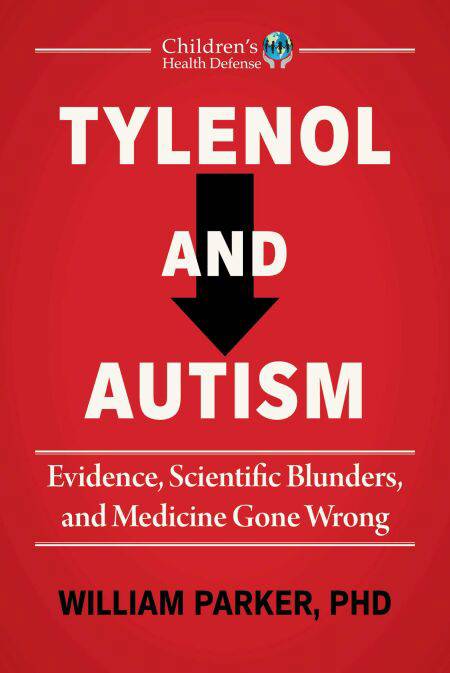
Tylenol and Autism E-BOOK
Evidence, Scientific Blunders, and Medicine Gone Wrong
William Parker
E-book | Engels
€ 24,59
+ 24 punten
Uitvoering
Omschrijving
Tylenol and Autism: Evidence, Scientific Blunders, and Medicine Gone Wrong by William Parker, PhD, is a provocative, evidence-focused investigation into the disputed “Tylenol autism link”—the hypothesis that acetaminophen (Tylenol/paracetamol/APAP) exposure can trigger autism spectrum disorder (ASD) in biologically susceptible babies and young children.
Rather than relying on a single study, Parker organizes roughly 30 distinct lines of evidence across pharmacology and metabolism, human associations involving time/place/behavior, laboratory animal neurodevelopmental toxicity, and additional observations—then weighs that total body of evidence against alternative explanations and common objections.
The book digs into proposed mechanisms (including early-life limits in detoxification pathways, oxidative stress–linked susceptibility, and gut–brain effects) and emphasizes “timing of risk” from pregnancy through labor/delivery and early childhood.
Beyond the science, it examines the logic of the controversy—how statistical mistakes (such as misclassifying interacting variables as confounders), peer-review failures, and conflicts of interest can shape medical consensus.
In Tylenol and Autism, Dr. Parker confronts, with intelligence, honesty, and bravery, what is an undeniably culturally and politically explosive issue intensified by the 2025 White House spotlight on acetaminophen and autism.
Rather than relying on a single study, Parker organizes roughly 30 distinct lines of evidence across pharmacology and metabolism, human associations involving time/place/behavior, laboratory animal neurodevelopmental toxicity, and additional observations—then weighs that total body of evidence against alternative explanations and common objections.
The book digs into proposed mechanisms (including early-life limits in detoxification pathways, oxidative stress–linked susceptibility, and gut–brain effects) and emphasizes “timing of risk” from pregnancy through labor/delivery and early childhood.
Beyond the science, it examines the logic of the controversy—how statistical mistakes (such as misclassifying interacting variables as confounders), peer-review failures, and conflicts of interest can shape medical consensus.
In Tylenol and Autism, Dr. Parker confronts, with intelligence, honesty, and bravery, what is an undeniably culturally and politically explosive issue intensified by the 2025 White House spotlight on acetaminophen and autism.
Specificaties
Betrokkenen
- Auteur(s):
- Uitgeverij:
Inhoud
- Aantal bladzijden:
- 360
- Taal:
- Engels
Eigenschappen
- Productcode (EAN):
- 9781648212475
- Verschijningsdatum:
- 22/06/2026
- Uitvoering:
- E-book
- Beveiligd met:
- Adobe DRM
- Formaat:
- ePub


Alleen bij Standaard Boekhandel
+ 24 punten op je klantenkaart van Standaard Boekhandel
Cadeau

AANGERADEN


Beoordelingen
We publiceren alleen reviews die voldoen aan de voorwaarden voor reviews. Bekijk onze voorwaarden voor reviews.