


- Afhalen na 1 uur in een winkel met voorraad
- Gratis thuislevering in België vanaf € 30
- Ruim aanbod met 7 miljoen producten
- Afhalen na 1 uur in een winkel met voorraad
- Gratis thuislevering in België vanaf € 30
- Ruim aanbod met 7 miljoen producten





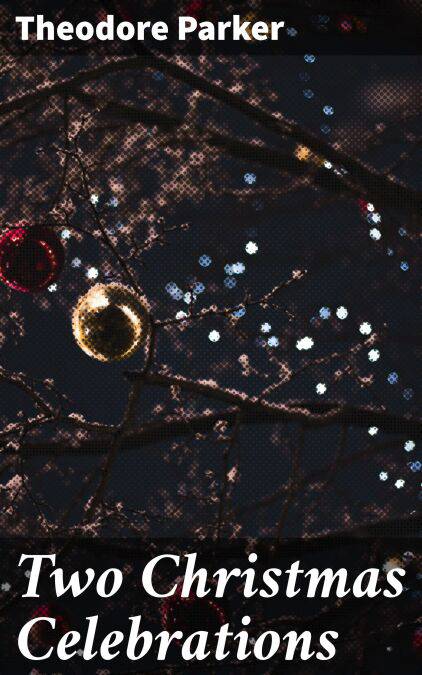
Two Christmas Celebrations E-BOOK
Exploring the Evolution of Christmas Celebrations
Theodore Parker
E-book | Engels
€ 0,99
Uitvoering
Omschrijving
In "Two Christmas Celebrations," Theodore Parker explores the themes of human connection and the spirit of giving through a juxtaposition of the traditional Christmas narrative with the social and moral demands of his time. Employing a rich, lyrical prose style, Parker weaves together sermons and reflections that examine not only the religious significance of Christmas but also its implications for societal reform. This work stands out in the context of 19th-century American transcendentalism, reflecting the era's push towards moral improvement and the celebration of universal brotherhood. Theodore Parker, a prominent Unitarian minister and social reformer, was deeply influenced by the intellectual currents of his time, including abolitionism and the push for gender equality. His commitment to social justice and reform is evident throughout his literary and public life, pushing him to address how Christmas can serve as a catalyst for profound societal change. Parker's theological insights were rooted in a passionate belief in the goodness of humanity, which informed his vision of Christmas as both a religious and moral obligation. I highly recommend "Two Christmas Celebrations" to readers who are interested in the intersections of faith, ethics, and social justice. Parker's thoughtful perspectives invite us to reconsider the meaning of Christmas, inspiring readers to embrace a more profound, actionable kindness throughout the year.
Specificaties
Betrokkenen
- Auteur(s):
- Uitgeverij:
Inhoud
- Aantal bladzijden:
- 116
- Taal:
- Engels
Eigenschappen
- Productcode (EAN):
- 4064066107420
- Verschijningsdatum:
- 15/03/2020
- Uitvoering:
- E-book
- Beveiligd met:
- Digital watermarking
- Formaat:
- ePub


Alleen bij Standaard Boekhandel
Cadeau

AANGERADEN


Beoordelingen
We publiceren alleen reviews die voldoen aan de voorwaarden voor reviews. Bekijk onze voorwaarden voor reviews.