


- Afhalen na 1 uur in een winkel met voorraad
- Gratis thuislevering in België vanaf € 30
- Ruim aanbod met 7 miljoen producten
- Afhalen na 1 uur in een winkel met voorraad
- Gratis thuislevering in België vanaf € 30
- Ruim aanbod met 7 miljoen producten




€ 75,00
+ 150 punten
Omschrijving
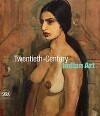
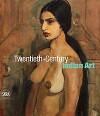
An elegantly written and beautifully illustrated volume that fills a lacuna that exists in the field of modern and contemporary art in India. Twentieth-Century Indian Art offers a broad narrative of key trends in modern art in India that have emerged from the turn of twentieth century until the end of the millennium and aims to place modern art in India in its context of cultural nationalism, formation of art institutions and changing notions of artistic value. The book is divided into two sections. Section one focuses on the first five decades of the 20th century which introduced new definitions of art practices shaped both by colonialism and the cultural politics of nationalism. The second section looks at the art scene that emerged in the wake of Indias Independence. This period coincides with a new openness towards internationalism across the 1950s. By the 1960s, internationalism loses its thrust with various indigenous moves towards native sources of art language. Breaking into the digital space, artists travel across national borders as cultural nomads into the space of biennales and triennials. The strong presence of diaspora artists offered a new take on identity and ethnicity while generating new modes of representation.
Specificaties
Betrokkenen
- Auteur(s):
- Uitgeverij:
Inhoud
- Aantal bladzijden:
- 352
- Taal:
- Engels
Eigenschappen
- Productcode (EAN):
- 9788857210667
- Verschijningsdatum:
- 25/09/2014
- Uitvoering:
- Hardcover
- Afmetingen:
- 240 mm x 280 mm


Alleen bij Standaard Boekhandel
+ 150 punten op je klantenkaart van Standaard Boekhandel
AANGERADEN


Beoordelingen
We publiceren alleen reviews die voldoen aan de voorwaarden voor reviews. Bekijk onze voorwaarden voor reviews.