


- Afhalen na 1 uur in een winkel met voorraad
- Gratis thuislevering in België vanaf € 30
- Ruim aanbod met 7 miljoen producten
- Afhalen na 1 uur in een winkel met voorraad
- Gratis thuislevering in België vanaf € 30
- Ruim aanbod met 7 miljoen producten





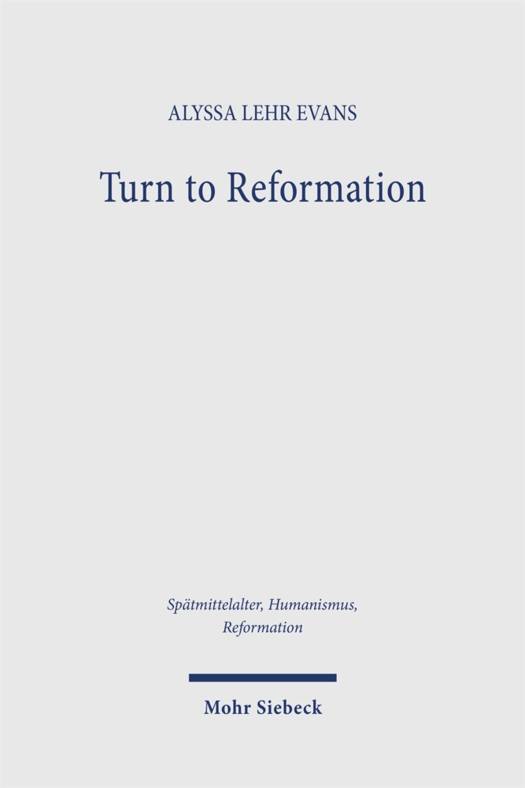
Turn to Reformation
Karlstadt's Commentary on Augustine's de Spiritu Et Littera, 1517-1519
Alyssa Lehr Evans
€ 147,45
+ 294 punten
Omschrijving
English summary: Karlstadt's commentary on Augustine's "De spiritu et littera" is an exceptional resource for understanding Karlstadt's conversion and his continued development into a reformer in these years of rapid change in Wittenberg (1517-1519). Alyssa Lehr Evans shows his "learning by doing," how he self-consciously transitioned away from his scholastic career and developed new ways to move forward, even while still holding on for a time to traditional methods and style. Karlstadt openly wrestled with fundamental questions about which religious sources are authoritative and how they ought to be read. Evans shows how Karlstadt's reading and reception of Augustine played a pivotal role in his development and affected his theology and its practical applications, even his writing style. Placing this commentary and surrounding writings in their historical context provides a deeper understanding of Karlstadt's early thought, his reading and working methods, as well as his active role in the emergence of the reformation in Wittenberg. This work was awarded the 2025 Manfred Lautenschlaeger Award for Theological Promise. German description: Alyssa Lehr Evans untersucht, wie Andreas Bodenstein von Karlstadt, zentraler Akteur in der Entwicklung der Wittenberger Reformation, zum Reformator wurde und sich in dieser Rolle bewusst weiterentwickelte. Sie zeigt die wichtige Rolle auf, die die Beschaftigung mit Augustin fur Karlstadts Entwicklung spielte und nahert sich Karlstadt uber die Grundfragen von Autoritat und Interpretation.
Specificaties
Betrokkenen
- Auteur(s):
- Uitgeverij:
Inhoud
- Aantal bladzijden:
- 320
- Taal:
- Engels
- Reeks:
Eigenschappen
- Productcode (EAN):
- 9783161639807
- Verschijningsdatum:
- 30/03/2026
- Uitvoering:
- Hardcover
- Formaat:
- Genaaid
- Afmetingen:
- 155 mm x 231 mm
- Gewicht:
- 798 g


Alleen bij Standaard Boekhandel
+ 294 punten op je klantenkaart van Standaard Boekhandel
AANGERADEN


Beoordelingen
We publiceren alleen reviews die voldoen aan de voorwaarden voor reviews. Bekijk onze voorwaarden voor reviews.