


- Afhalen na 1 uur in een winkel met voorraad
- Gratis thuislevering in België vanaf € 30
- Ruim aanbod met 7 miljoen producten
- Afhalen na 1 uur in een winkel met voorraad
- Gratis thuislevering in België vanaf € 30
- Ruim aanbod met 7 miljoen producten





€ 49,45
+ 98 punten
Eenvoudig bestellen
Veilig betalen


Gratis thuislevering vanaf € 30 (via bpost)
Gratis levering in je Standaard Boekhandel
Omschrijving
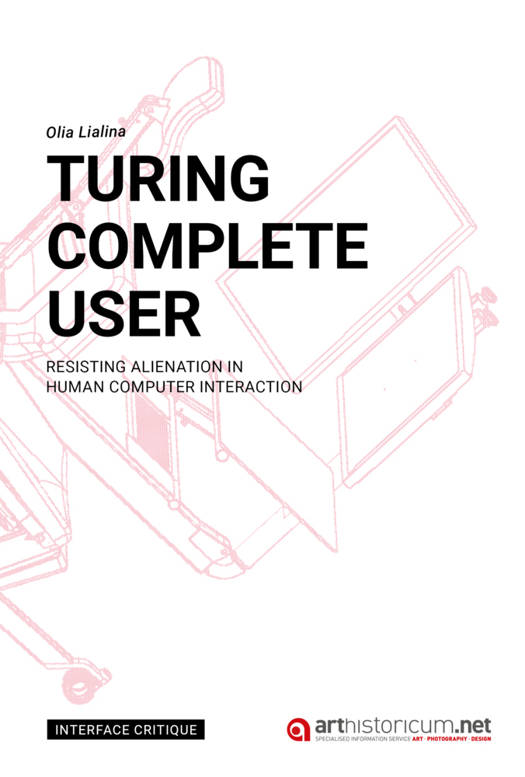
Around 2010, the field of human-computer interaction and the IT industry at large started to invest in reforming their terminology: banning some words and reversing the meanings of others to camouflage the widening gap between users and developers, to smooth the transition from personal computers to "dumb terminals", from servers to "buckets", from double-clicking to saying "OK, Google". Computer users also learnt to talk, loud and clear, to be understood by Siri, Alexa, Google Glass, HoloLens, and other products that perform both listening and answering. Maybe it is exactly this amalgamation of input and output into a "conversation" that defines the past decade, and it will be the core of HCI research in the years to come. Who is scripting the conversations with these invisible ears and mouths? How can users control their lines? When hardware and software dissolve into anthropomorphic forms and formless "experiences", words stop being mere names and metaphors. They do not only appeal to the imagination and give shape to invisible products. Words themselves become interfaces - and every change in vocabulary matters.
Specificaties
Betrokkenen
- Auteur(s):
- Uitgeverij:
Inhoud
- Taal:
- Engels
- Reeks:
Eigenschappen
- Productcode (EAN):
- 9783985010721
- Uitvoering:
- Paperback
- Afmetingen:
- 140 mm x 15 mm
- Gewicht:
- 441 g


Alleen bij Standaard Boekhandel
+ 98 punten op je klantenkaart van Standaard Boekhandel
CADEAU

AANGERADEN


Beoordelingen
We publiceren alleen reviews die voldoen aan de voorwaarden voor reviews. Bekijk onze voorwaarden voor reviews.