



Je cadeautjes zeker op tijd in huis hebben voor de feestdagen? Kom langs in onze winkels en vind het perfecte geschenk!
- Afhalen na 1 uur in een winkel met voorraad
- Gratis thuislevering in België vanaf € 30
- Ruim aanbod met 7 miljoen producten
Je cadeautjes zeker op tijd in huis hebben voor de feestdagen? Kom langs in onze winkels en vind het perfecte geschenk!
- Afhalen na 1 uur in een winkel met voorraad
- Gratis thuislevering in België vanaf € 30
- Ruim aanbod met 7 miljoen producten





Omschrijving
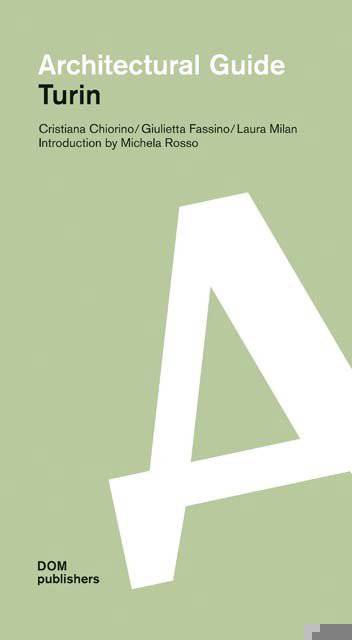
Widely known as the Italian one-company town during the development of Fiat in the 20th century, Turin underwent a process of transformation roughly 20 years ago in its search for a new urban identity. The city, situated at the foot of the Alps, has become a laboratory for the reconversion of post-industrial heritage, in part owing to the Winter Olympics Games that took place in 2006. Manifestations of change have left behind significant traces in its urban fabric. Besides its industrial history, Turin can also surprise with its baroque architecture - which has brought the city to the forefront of international popularity among architects - and with masterpieces of Italian modern architecture, such as works by Pier Luigi Nervi and Carlo Mollino. The structure of this guide is based upon a sequence of 150 buildings, some of which date back to 1900. These are introduced in the form of a tour that starts in the Roman centre and the baroque centre and heads towards the city's outskirts, encompassing Ivrea - the city built around the Olivetti - and the wineries in the Langhe region, recently recognised by UNESCO as a World Heritage Site. Pictures by Robert Albano et al.
Specificaties
Betrokkenen
- Auteur(s):
- Uitgeverij:
Inhoud
- Aantal bladzijden:
- 232
- Taal:
- Engels
- Reeks:
Eigenschappen
- Productcode (EAN):
- 9783869224114
- Verschijningsdatum:
- 25/09/2015
- Uitvoering:
- Paperback
- Afmetingen:
- 136 mm x 245 mm
- Gewicht:
- 432 g


Alleen bij Standaard Boekhandel
+ 84 punten op je klantenkaart van Standaard Boekhandel
CADEAU


Beoordelingen
We publiceren alleen reviews die voldoen aan de voorwaarden voor reviews. Bekijk onze voorwaarden voor reviews.