


- Afhalen na 1 uur in een winkel met voorraad
- Gratis thuislevering in België vanaf € 30
- Ruim aanbod met 7 miljoen producten
- Afhalen na 1 uur in een winkel met voorraad
- Gratis thuislevering in België vanaf € 30
- Ruim aanbod met 7 miljoen producten





€ 20,99
+ 20 punten
Omschrijving
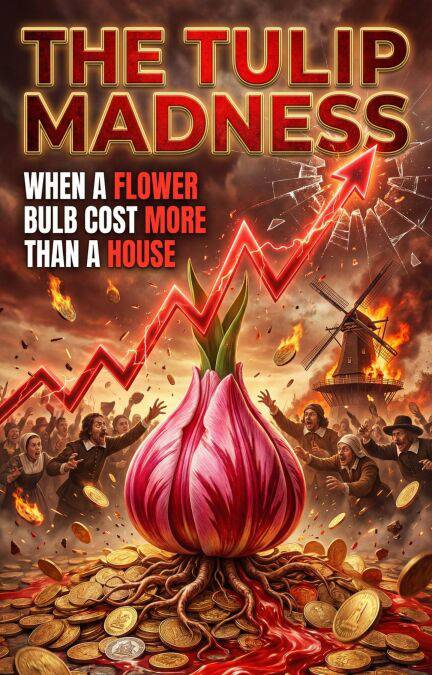
In the Dutch Golden Age of the 1630s, the Netherlands was the wealthiest nation on earth. Then, something strange happened. Rational merchants, nobles, and chimney sweeps alike began to trade frenzy for a specific type of infected tulip bulb. Prices skyrocketed until a single bulb of "Semper Augustus" was worth the price of a grand canal mansion in Amsterdam.
"The Tulip Madness" explores the psychology of the first recorded speculative bubble in history. It details the mechanisms of the trade, which took place in tavern backrooms, and the "futures" contracts that allowed people to buy flowers that hadn't even bloomed yet. It analyzes the inevitable crash in February 1637, which wiped out fortunes overnight and left a nation holding worthless roots.
This book is not just history; it is a mirror for our modern times. From the Dotcom bubble to Crypto and NFTs, the human greed and fear of missing out (FOMO) remain unchanged. By understanding the tulip, we can better spot the next mania before it bursts.
"The Tulip Madness" explores the psychology of the first recorded speculative bubble in history. It details the mechanisms of the trade, which took place in tavern backrooms, and the "futures" contracts that allowed people to buy flowers that hadn't even bloomed yet. It analyzes the inevitable crash in February 1637, which wiped out fortunes overnight and left a nation holding worthless roots.
This book is not just history; it is a mirror for our modern times. From the Dotcom bubble to Crypto and NFTs, the human greed and fear of missing out (FOMO) remain unchanged. By understanding the tulip, we can better spot the next mania before it bursts.
Specificaties
Betrokkenen
- Auteur(s):
- Uitgeverij:
Inhoud
- Aantal bladzijden:
- 137
- Taal:
- Engels
Eigenschappen
- Productcode (EAN):
- 9783565255412
- Verschijningsdatum:
- 16/02/2026
- Uitvoering:
- E-book
- Formaat:
- ePub


Alleen bij Standaard Boekhandel
+ 20 punten op je klantenkaart van Standaard Boekhandel

Beoordelingen
We publiceren alleen reviews die voldoen aan de voorwaarden voor reviews. Bekijk onze voorwaarden voor reviews.