


- Afhalen na 1 uur in een winkel met voorraad
- Gratis thuislevering in België vanaf € 30
- Ruim aanbod met 7 miljoen producten
- Afhalen na 1 uur in een winkel met voorraad
- Gratis thuislevering in België vanaf € 30
- Ruim aanbod met 7 miljoen producten





Omschrijving
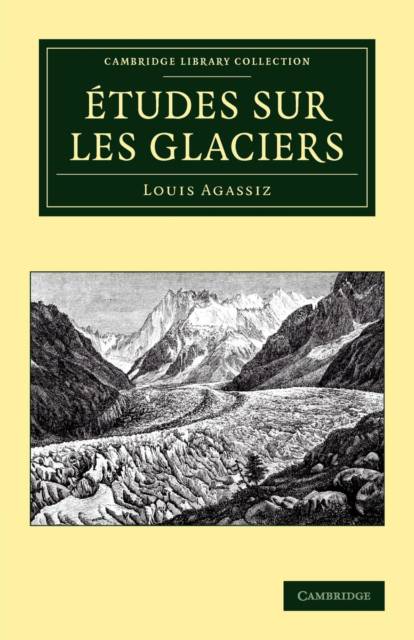
Swiss-born zoologist, geologist and paleontologist Louis Agassiz (1807-73) was among the foremost scientists of his day. When he took up the study of glaciology and glacial geomorphology in Switzerland in 1836, he recorded evidence left by former glaciers, such as glacial erratics, drumlins and rock scouring and scratching. In this work, published in 1840, he proposed a revolutionary ice-age theory, according to which, glaciers are the remaining portions of sheets of ice which once covered the earth. His radical suggestion undermined the hypothesis that landscape features were the result of a great biblical flood. Although Agassiz's invaluable work led some to acclaim him as the 'father' of glacial theory, critics have cited the contributions of others, including Jean de Charpentier and Karl Schimper. The book also describes the features of active glaciers, including ice tables, ice pinnacles and moraines.
Specificaties
Betrokkenen
- Auteur(s):
- Uitgeverij:
Inhoud
- Aantal bladzijden:
- 362
- Taal:
- Engels
- Reeks:
Eigenschappen
- Productcode (EAN):
- 9781108049764
- Verschijningsdatum:
- 5/07/2012
- Uitvoering:
- Paperback
- Formaat:
- Trade paperback (VS)
- Afmetingen:
- 140 mm x 216 mm
- Gewicht:
- 458 g


Alleen bij Standaard Boekhandel
+ 151 punten op je klantenkaart van Standaard Boekhandel

Beoordelingen
We publiceren alleen reviews die voldoen aan de voorwaarden voor reviews. Bekijk onze voorwaarden voor reviews.